Start Your Weight Loss Journey Today! Get £10-25 off your first consultation with code MOUNJSTART10 or MOUNJSTEPUP25

- Weight LossWeight Loss
- Hair LossHair Loss
- Sleep Help (Insomnia)Sleep Help (Insomnia)
- Erectile DysfunctionErectile Dysfunction
- HayfeverHayfever







Saturday 31 January
Food Noise Explained: What It Is and How to Stop It
If you feel like you are constantly thinking about food, negotiating with yourself about what you “should” eat, or getting pulled into cravings even when you are not physically hungry, you are not alone.
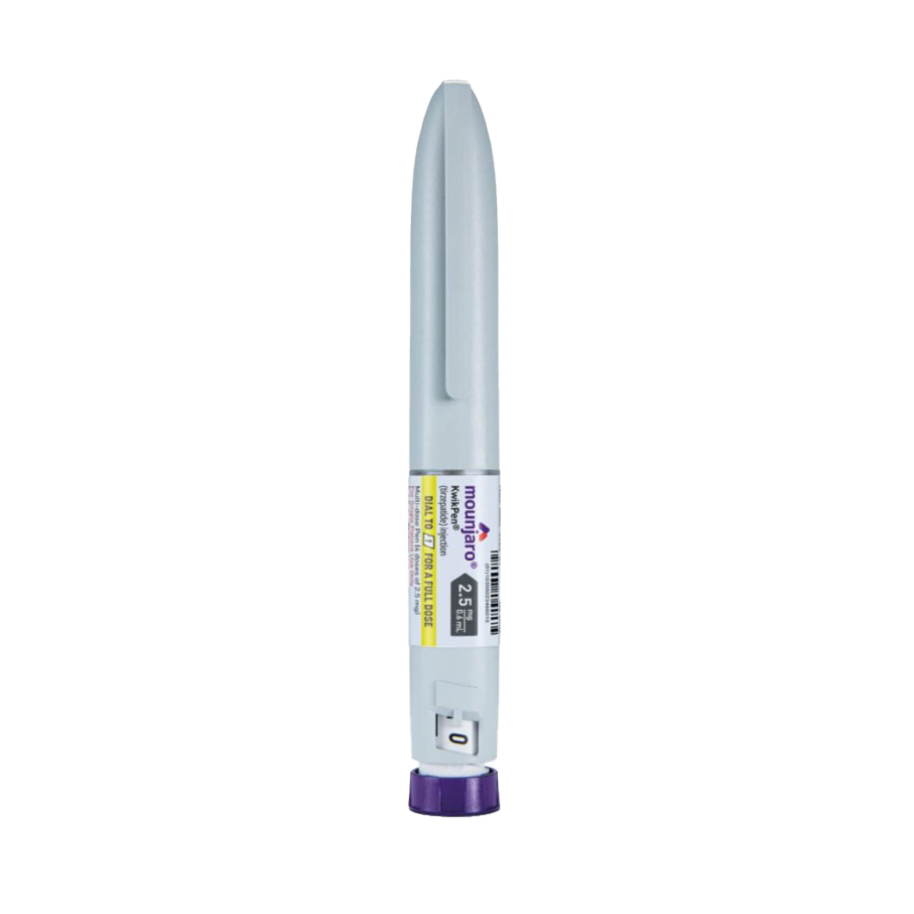
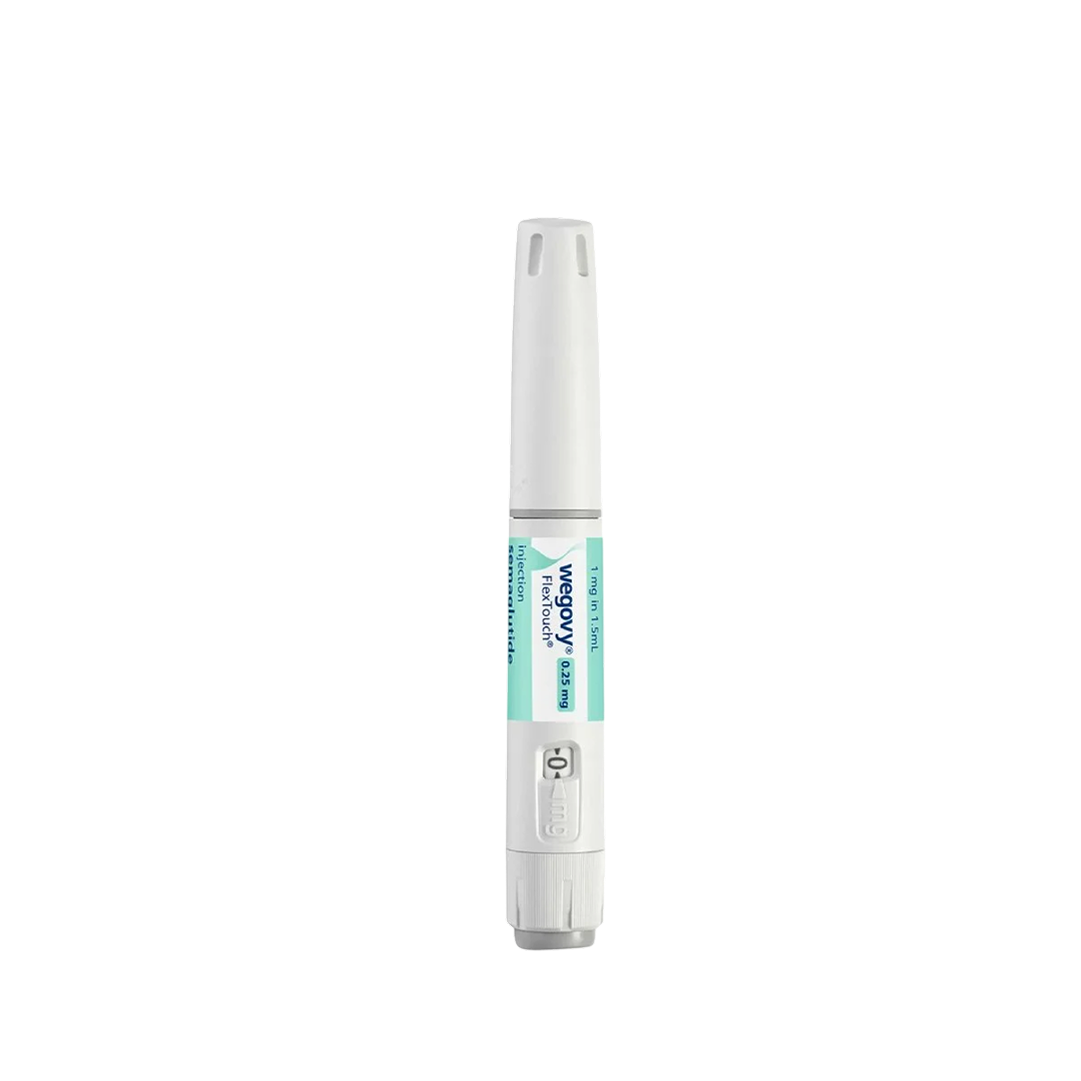
Over the last couple of years, more people have started using the phrase “food noise” to describe that internal chatter around food. Interest has grown even more since GLP 1 medications like Wegovy and Mounjaro became widely discussed, as many people report that these treatments can “quiet” food noise significantly.
This article explains what food noise is, how it differs from normal thoughts about eating, what can cause it, and practical ways to reduce it.
What is food noise?
Food noise is a non-clinical term used to describe persistent, intrusive, repetitive thoughts about food.
It can look like:
Thinking about your next meal even when you have just eaten
Feeling mentally “pulled” towards certain foods throughout the day
Overanalysing choices (Should I have this? Is it allowed? Will I regret it?)
Feeling guilt, anxiety or shame around eating
Finding it hard to focus at work or be present with family because food thoughts keep interrupting
Food noise is often emotionally charged, not neutral. It is not the same as simply looking forward to lunch.
Normal food thoughts vs food noise: what is the difference?
Thinking about food is normal. Most people will:
Notice hunger and fullness
Plan meals
Enjoy treats occasionally
Look forward to a meal they like
Food noise is different because it is:
Persistent (it keeps coming back)
Intrusive (it interrupts your day and attention)
Not always linked to hunger (it can show up when you are full)
Emotionally loaded (guilt, fear, shame, anxiety)
A useful way to frame it is this: normal food thoughts help you nourish yourself. Food noise makes food feel like a constant mental task.
Why does food noise happen?
Food noise is not a personal failure. It often has understandable drivers.
Dieting and restriction
When your brain senses restriction, it can increase food focus as a survival response. Even if food is available, strict dieting can make your brain behave as if food is scarce.
Restriction can be:
Physical (skipping meals, reducing calories, cutting out food groups)
Psychological (labelling foods as “bad”, feeling you are “not allowed” certain foods)
Both can increase preoccupation.
Stress and emotional load
Stress is a major trigger for cravings and reward-driven eating. When your nervous system is overloaded, your brain often looks for quick comfort, and food is one of the most powerful, accessible rewards.
Sleep and fatigue
Poor sleep increases appetite hormones and reduces impulse control. When you are tired, food noise can feel louder and harder to resist.
Environment and cues
Modern life is full of food cues: ads, delivery apps, snacks at petrol stations, and social media content. For some people, constant exposure keeps the brain in a loop of wanting.
Blood sugar swings and irregular eating
If you go long gaps without eating, or your meals are very low in protein and fibre, you may experience stronger dips and spikes in appetite, which can amplify cravings and mental food chatter.
How do GLP 1 medications affect food noise?
Many people taking GLP 1 based treatments report a reduction in food noise. These medications can help by:
Reducing appetite and increasing fullness
Slowing digestion, which reduces the urgency to eat again soon
Reducing reward-driven eating for some people, meaning food feels less “magnetic”
It is important to understand that medications can create breathing space, but they are not the only way to reduce food noise. For long-term success, the best results usually come from combining medical support with sustainable eating habits, routine, and behaviour change.
How to stop food noise: practical strategies that work
There is rarely one magic fix, but these approaches can make a noticeable difference.
Eat regular meals and do not skip breakfast just to “be good”
Skipping meals often backfires. Regular meals help stabilise hunger signals and reduce the biological drive to obsess about food.
A simple target is:
3 meals per day
Optional planned snack if needed
Avoid long gaps that leave you over-hungry
Build meals that actually keep you full
Meals that are too light can leave you physically satisfied for 30 minutes, then mentally preoccupied for hours.
Aim for each meal to include:
Protein (eggs, yoghurt, chicken, tofu, fish, beans)
Fibre (vegetables, fruit, oats, wholegrains, legumes)
Healthy fats (olive oil, nuts, seeds, avocado)
This combination supports satiety and steadier appetite regulation.
Stop labelling food as “good” or “bad”
Moralising food increases fixation. When something feels forbidden, the brain often wants it more.
Try swapping:
“I cannot have that”
to
“I can have that, and I am choosing what suits me right now”
The goal is not to eat everything all the time. It is to remove the sense of threat and restriction that fuels obsession.
Reduce decision fatigue with a plan
If you make food decisions all day, you will think about food all day.
Simple planning helps:
Choose 2 to 3 breakfast options you rotate
Have repeatable lunches
Keep a shortlist of easy dinners
Keep high-protein snacks available if you tend to get caught out
Structure reduces mental load.
Change your environment rather than relying on willpower
Willpower is unreliable when you are stressed or tired. If certain foods trigger spirals, make them harder to access and easier to replace.
Examples:
Keep snacks out of sight, not on the counter
Portion treats into a bowl rather than eating from the packet
Stock quick whole-food options you will actually eat
This is not about perfection. It is about reducing friction.
Use a “mindful pause” technique
When food noise hits, pause and ask:
Am I physically hungry?
Am I tired, stressed, bored, or avoiding something?
What do I actually need right now?
Sometimes the answer is food. Sometimes it is a break, movement, a chat with someone, or sleep. Food noise often points to unmet needs, not just hunger.
Manage stress in a realistic way
You do not need a perfect routine. You need repeatable downshifts.
Good options include:
10 minute walk after meals
Strength training or exercise you enjoy
Breathing exercises for 2 to 3 minutes
Journalling for a few minutes
A hobby that absorbs your attention
If stress reduces, food noise usually reduces too.
Sleep is not optional
If you are consistently under-slept, cravings and intrusive food thoughts are harder to control. Prioritising sleep is one of the highest-return interventions for appetite regulation.
If food noise feels overwhelming
If food noise is linked to guilt, shame, strict rules, bingeing, purging, or distress about body image, it may be a sign that your relationship with food needs extra support.
You deserve help with this. Speaking to a clinician, therapist, or registered dietitian can be a major turning point, especially if you have a history of disordered eating.
Final thoughts
Food noise describes a real experience: persistent, intrusive thoughts about food that can disrupt your focus, mood and day-to-day life.
It is often driven by restriction, stress, irregular eating patterns, environmental cues, and fatigue. The good news is that food noise can be reduced with practical steps: consistent meals, balanced nutrition, less moralising around food, better planning, stress management, and sleep.
For some people, medical treatment may also reduce food noise by supporting appetite regulation and lowering reward-driven eating. The most sustainable results usually come from combining that support with habits you can maintain long-term.
Reviewed by Irfan Mahmud, Pharmacist and Independent Prescriber (GPhC Reg. No: 2080386)
Irfan is a UK registered pharmacist and independent prescriber with expertise in weight management, metabolic health and lifestyle medicine. As the founder of Cuva Health, he is dedicated to providing safe, clinically approved treatments and clear, trustworthy health guidance.