Save £10 or £25 off your first weight loss consultation with code FIRSTWL10 or FIRSTWL25





The fightback
starts here




A clinically-proven way to treat hayfever
Antihistamines, steroid nasal sprays and mast-cell stabiliser eye drops work in complementary ways to reduce allergy symptoms.

Easy, effective options
Non-drowsy once-daily tablets for general symptoms, daily steroid sprays for blocked nose, and eye drops for itchy, watery eyes.

Ongoing clinical care and advice
If you have any questions or queries about our hayfever treatments, you can get in touch with us via WhatsApp or email whenever you need.
Hayfever relief medicines
Non-drowsy antihistamines relieve sneezing and itch, while steroid nasal sprays reduce inflammation and congestion. Eye drops calm irritated, watery eyes.
What is hayfever and how do you treat it?
Hayfever (allergic rhinitis) is an immune response to airborne allergens like pollen, house-dust mites or animal dander. This triggers histamine and local inflammation, causing sneezing, itchy/watery eyes, a runny nose and congestion.
Antihistamines block the histamine response to reduce sneezing and itch. Steroid nasal sprays reduce nasal inflammation and congestion when used daily. Eye drops help when eye symptoms dominate.
Many people benefit from combination therapy, for example a once-daily non-drowsy antihistamine plus a daily steroid nasal spray. Begin treatment before your usual trigger season and continue throughout the period of exposure.




Frequently Asked
Questions
What is hayfever?
An allergic reaction to airborne allergens (e.g., pollen, dust mites, animal dander) causing sneezing, itchy/watery eyes, runny nose and congestion.
Do I need tablets, a nasal spray, or both?
Tablets help general symptoms; steroid nasal sprays are best for blocked nose. Many people use both. Add eye drops if eyes are the main issue.
When should I start treatment?
Ideally 1–2 weeks before your usual trigger season and continue daily through the season.
How long do steroid nasal sprays take to work?
Some relief within 12–24 hours; full benefit typically 2–7 days of consistent use.
Will antihistamines make me drowsy?
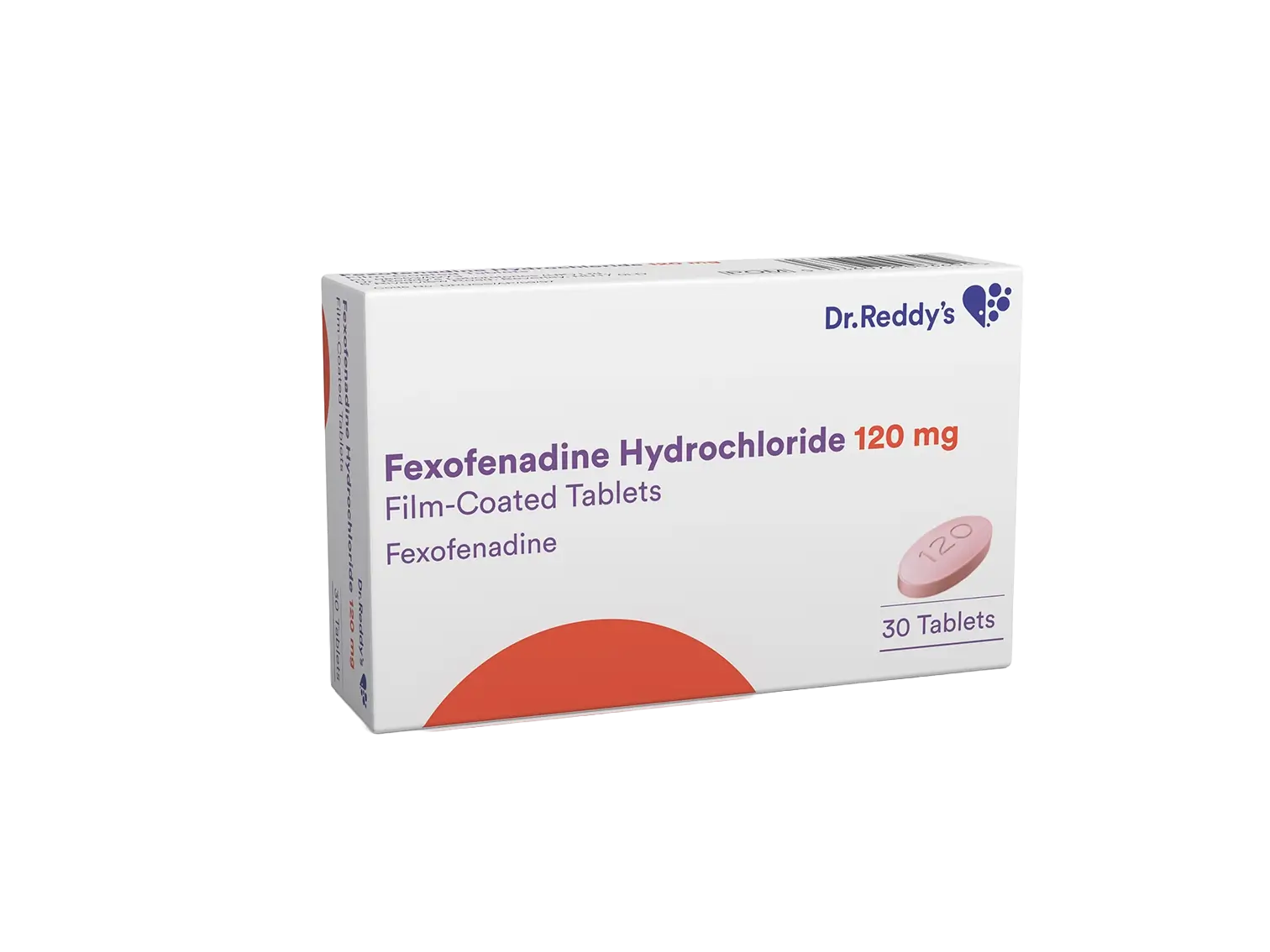
Non-drowsy options like fexofenadine and loratadine are least sedating; cetirizine can cause mild drowsiness in some.
Can I combine treatments?
Yes — combinations (e.g., antihistamine + steroid spray) are often more effective.
Is this safe with my other medicines?
Usually, but it depends. Tell us everything you take; our prescriber will check for interactions.
Pregnancy or breastfeeding?
Please consult your GP/midwife or a pharmacist. We don’t currently prescribe online in these cases.
Common side effects?
Antihistamines: headache, dry mouth, occasional drowsiness. Nasal steroids: irritation or nosebleeds. Eye drops: brief stinging/irritation.
When should I see a doctor?
If symptoms are severe/persistent despite treatment, or you have wheeze, chest tightness, fever, facial pain, or frequent nosebleeds.