Save £10 or £25 off your first weight loss consultation with code FIRSTWL10 or FIRSTWL25





Thursday 18 June
Erectile Dysfunction in Your 20s & 30s
By Irfan Mahmud, Pharmacist & Independent Prescriber
Erectile dysfunction in your 20s and 30s
Erectile dysfunction is often thought of as something that only affects older men, but it is surprisingly common in younger adults too. Experiencing difficulties with erections in your 20s or 30s can feel worrying or isolating, but it is usually treatable and often linked to factors that can be improved with the right support.
Understanding the causes and knowing what to do next can make a significant difference to both confidence and overall health.
1. Erectile dysfunction in younger men is more common than people think
Many men assume they are alone when facing erection difficulties, but studies show that a growing number of men under 40 experience some form of ED. This can range from occasional trouble getting or keeping an erection to more persistent issues.
Importantly, ED at a younger age rarely means a severe medical problem. It is often linked to lifestyle factors, stress or temporary hormonal changes.
2. Stress and anxiety are major contributors
Stress is one of the most common causes of ED in younger men. Worrying about work, relationships, finances or sex itself can affect the body’s ability to relax and respond sexually.
You may notice:
• Difficulty switching off mentally
• Overthinking during intimacy
• Performance anxiety
• A cycle where one episode of ED leads to fear of it happening again
When the mind is under pressure, the body struggles to maintain the blood flow needed for an erection.
3. Lifestyle factors can have a big impact
ED in your 20s or 30s often links back to habits that influence circulation, hormones and nervous system function.
Common contributors include:
• Heavy alcohol use
• Smoking or vaping
• Poor sleep
• High caffeine intake
• Lack of exercise
• Recreational drugs
These can affect blood vessels, testosterone levels or nerve signalling. The good news is that addressing them often leads to noticeable improvement.
4. Porn use can influence expectations and sexual response
High frequency pornography use can sometimes make it harder to respond to real life sexual situations. This is not about judgement but about how the brain adapts to stimulation.
Signs this may be affecting you include:
• Needing specific or intense content to maintain arousal
• Difficulty staying present during intimacy
• Stronger responses to screens than to partners
Reducing or moderating pornography use can help reset these pathways.
5. Physical health conditions can still play a role
Although less common at a young age, some medical issues can contribute to ED. These include:
• Hormonal imbalance, including low testosterone
• High blood pressure
• Diabetes or insulin resistance
• High cholesterol
• Obesity
• Pelvic injuries
If ED is persistent, it is important to rule out underlying causes with a clinician.
6. Medication and supplements can contribute
Certain medicines may affect erections, including some antidepressants, blood pressure tablets, anxiety medication and even over the counter products. If symptoms started after a new medication, a clinician can help explore alternatives.
Do not stop prescribed medicines without medical advice.
7. Treatment options are highly effective
The encouraging news is that most men in their 20s and 30s respond well to treatment. Options include:
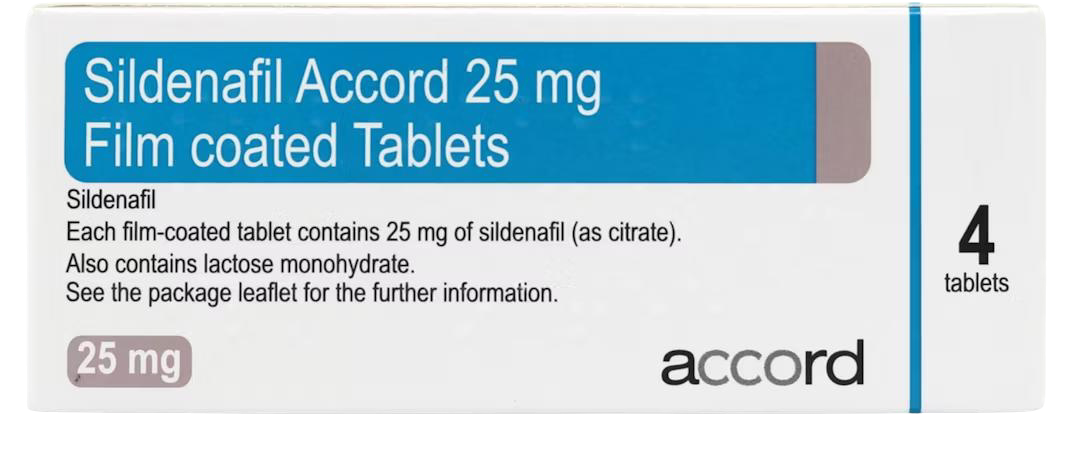
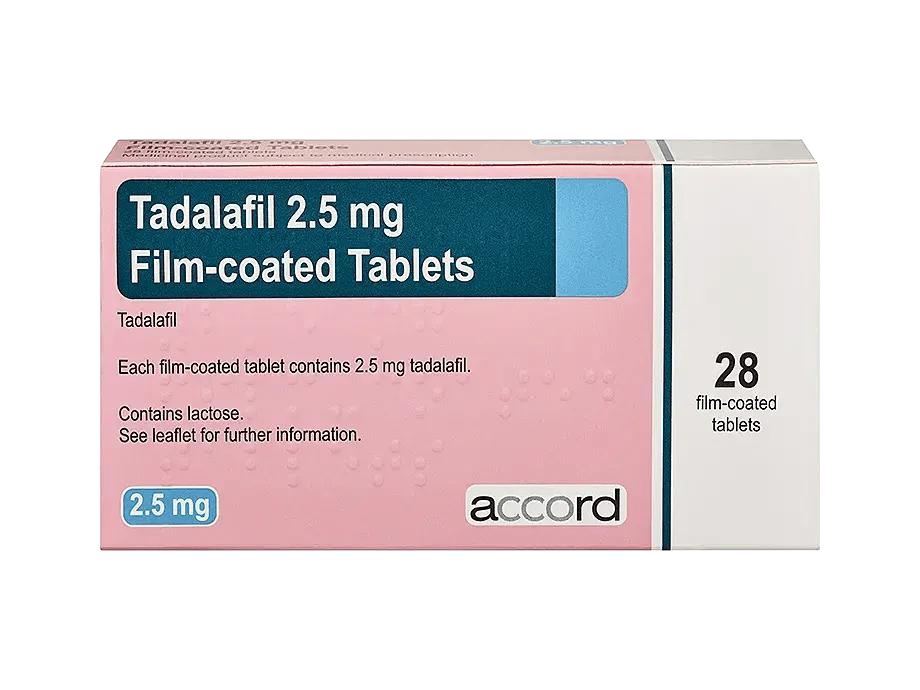
• Prescription ED tablets such as sildenafil or tadalafil
• Addressing lifestyle factors
• Managing stress or anxiety
• Reducing alcohol or caffeine intake
• Improving sleep routines
• Hormonal testing where appropriate
• Counselling if performance anxiety is a factor
For many men, a combination approach works best.
8. When to seek help
You should speak to a healthcare professional if:
• ED has lasted for more than a few weeks
• It is affecting confidence or relationships
• You suspect a medical condition may be involved
• You are experiencing low libido, fatigue or reduced morning erections
• You are concerned about hormone levels
Early assessment ensures you receive the right support and treatment.
The bottom line
Erectile dysfunction in your 20s or 30s is common, understandable and treatable. It does not reflect your masculinity, your health or your worth. With the right guidance, most men see a significant improvement, whether through medication, lifestyle changes or managing stress.
You do not need to struggle in silence. Effective help is available.
Reviewed by Irfan Mahmud, Pharmacist and Independent Prescriber (GPhC Reg. No: 2080386)
Irfan is a UK registered pharmacist and independent prescriber with expertise in men’s health, weight management and lifestyle medicine. As the founder of Cuva Health, he is dedicated to providing safe, clinically approved treatments and clear, trustworthy health guidance.