• Weight LossWeight Loss
  • Hair LossHair Loss
  • Erectile DysfunctionErectile Dysfunction
  • HayfeverHayfever
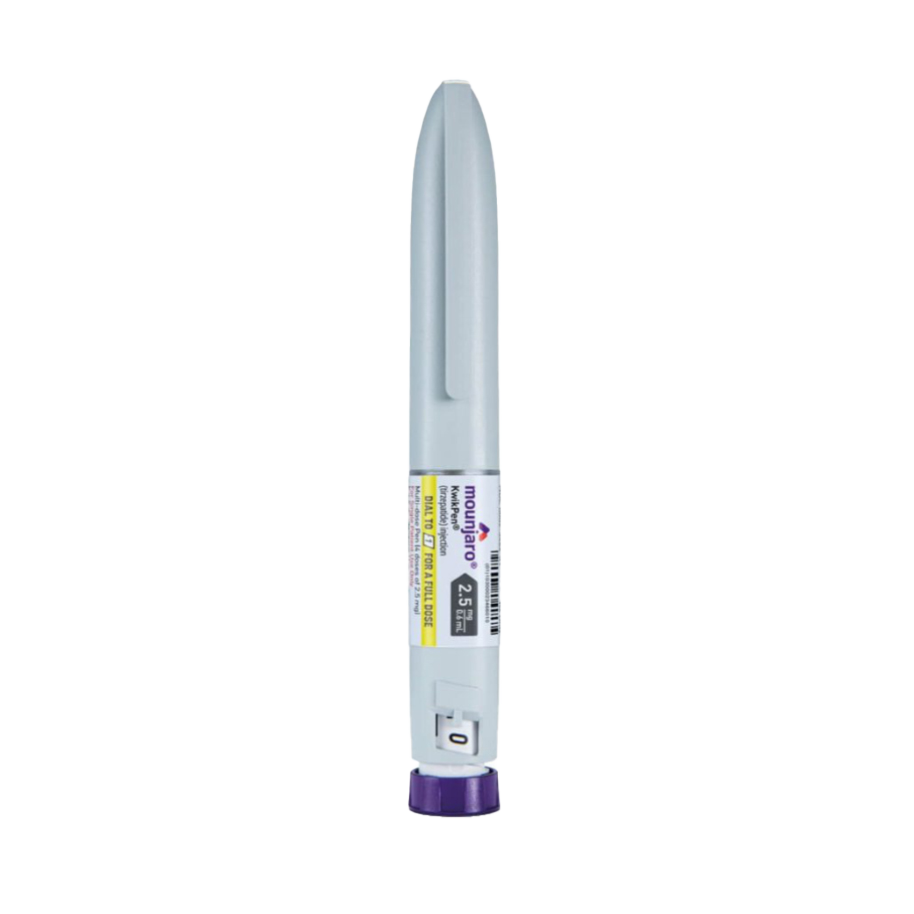
Mounjaro®

Mounjaro® £132.00

Wegovy®

Wegovy® £86.99

Retatrutide

Retatrutide Coming Soon

Plaobes (Liraglutide)

Plaobes (Liraglutide) £114.39

Finasteride

Finasteride£27.95 £23.95

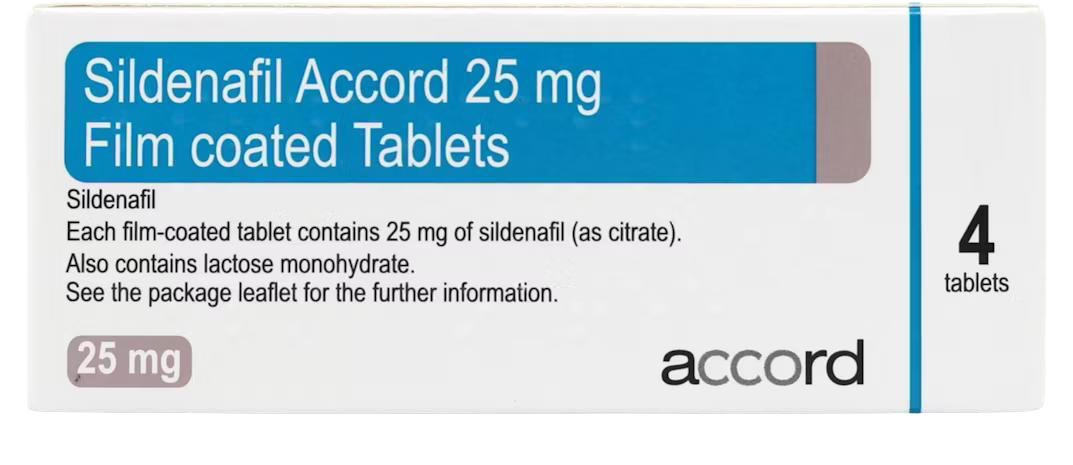
Sildenafil

Sildenafil£11.95 £9.95

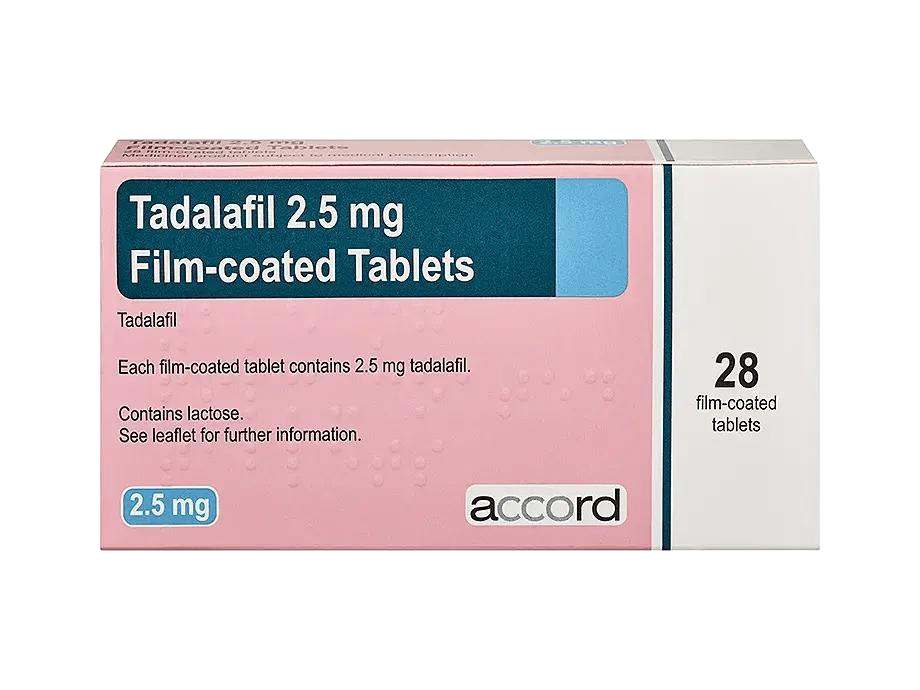
Tadalafil

Tadalafil£24.95 £19.95

Fexofenadine

Fexofenadine£6.49 £2.99

Tuesday 25 November

Good habits to keep up when using weight loss medication for the best results

By Irfan Mahmud, Pharmacist & Independent Prescriber

Good habits to keep up when using weight loss medication for the best results

Weight loss medication can be a useful tool, but it works best when paired with consistent, sustainable habits. The aim is not perfection, but steady routines that support long term progress and overall wellbeing. Here are practical, realistic habits to focus on.

1. Build balanced, steady eating habits

Weight loss medication can reduce appetite, but it does not replace good nutrition. Focus on:

Regular meals, rather than skipping and then overeating later

Lean proteins such as chicken, fish, tofu or beans

Plenty of vegetables and high fibre foods

Whole grains rather than refined carbohydrates

Smaller, satisfying portions instead of restrictive rules

If you experience reduced appetite, choose nutrient dense foods so you still meet your body’s needs.

2. Drink enough water

Staying hydrated supports digestion, energy levels and your body’s natural processes. Many people confuse thirst with hunger, so drinking regularly can help you recognise genuine hunger cues. Aim to sip throughout the day rather than drinking large amounts at once.

3. Keep moving in ways that suit you

Exercise does not need to be intense or complicated. Consistency matters more than perfection. You could try:

Brisk walking

Cycling

Swimming

Strength training to protect muscle mass

Home workout videos if you prefer privacy or convenience

Find activities you can maintain, not ones you dread.

4. Prioritise good sleep

Poor sleep can make weight management harder by affecting appetite regulating hormones. Try to:

Keep a regular bedtime

Limit screens before sleep

Create a calm evening routine

Avoid heavy meals right before bed

Quality sleep supports both physical and mental health.

5. Pay attention to how you feel

Medication can change appetite, digestion and energy levels. Keep track of:

Hunger and fullness

Mood or motivation

Any side effects

What foods and routines make you feel your best

This helps you and your healthcare provider decide whether adjustments are needed.

6. Follow medical guidance

Take the medication exactly as prescribed. If you have concerns about side effects, dosing or long term use, speak to your healthcare provider instead of adjusting anything yourself. Regular check ins are a key part of staying safe and getting the best results.

7. Be patient and realistic

Weight loss medication is not a quick fix. Progress may be gradual, and there may be weeks where your weight does not change much at all. What matters is the overall direction and the habits you are building along the way.

8. Focus on long term habits

The goal is to develop routines you can continue even after medication stops. Small, steady habits create results that last far longer than drastic or temporary measures.

Reviewed by Irfan Mahmud, Pharmacist & Independent Prescriber (GPhC Reg. No: 2080386)

Irfan is a UK-registered pharmacist and independent prescriber with expertise in weight management, primary care, and lifestyle medicine. As the founder of Cuva Health, he is dedicated to providing safe, clinically-approved treatments and clear, trustworthy health guidance.

Back to blogBack to blog