• Weight LossWeight Loss
  • Hair LossHair Loss
  • Erectile DysfunctionErectile Dysfunction
  • HayfeverHayfever
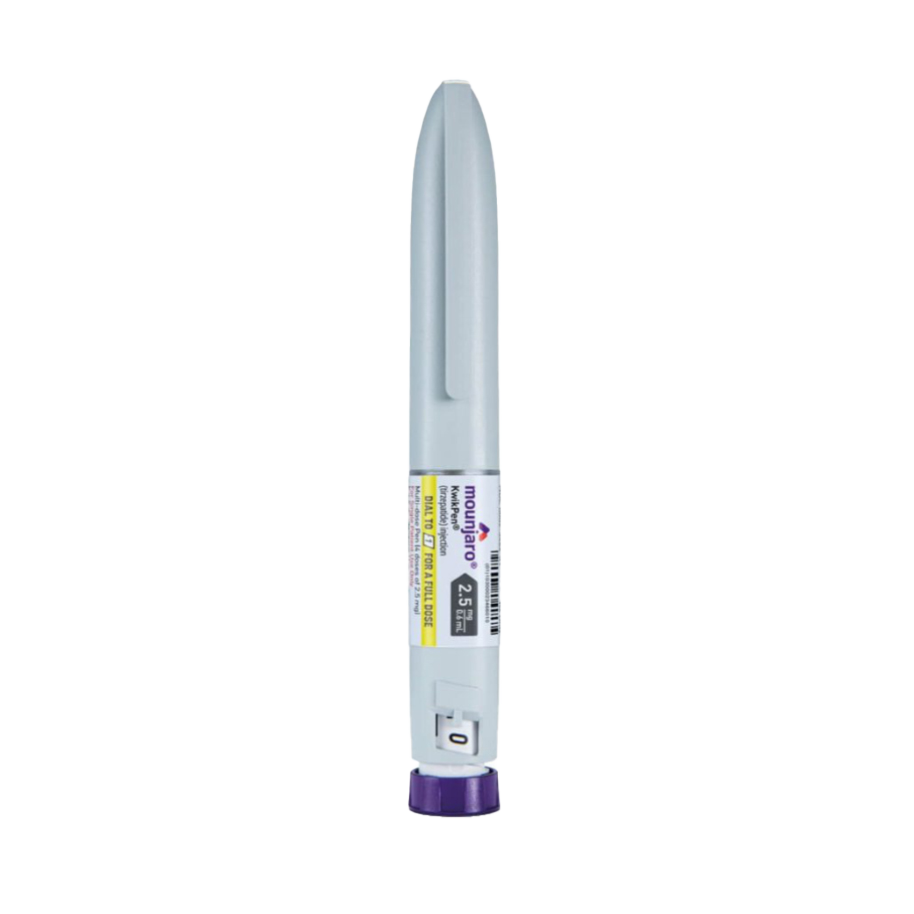
Mounjaro®

Mounjaro® £126.00

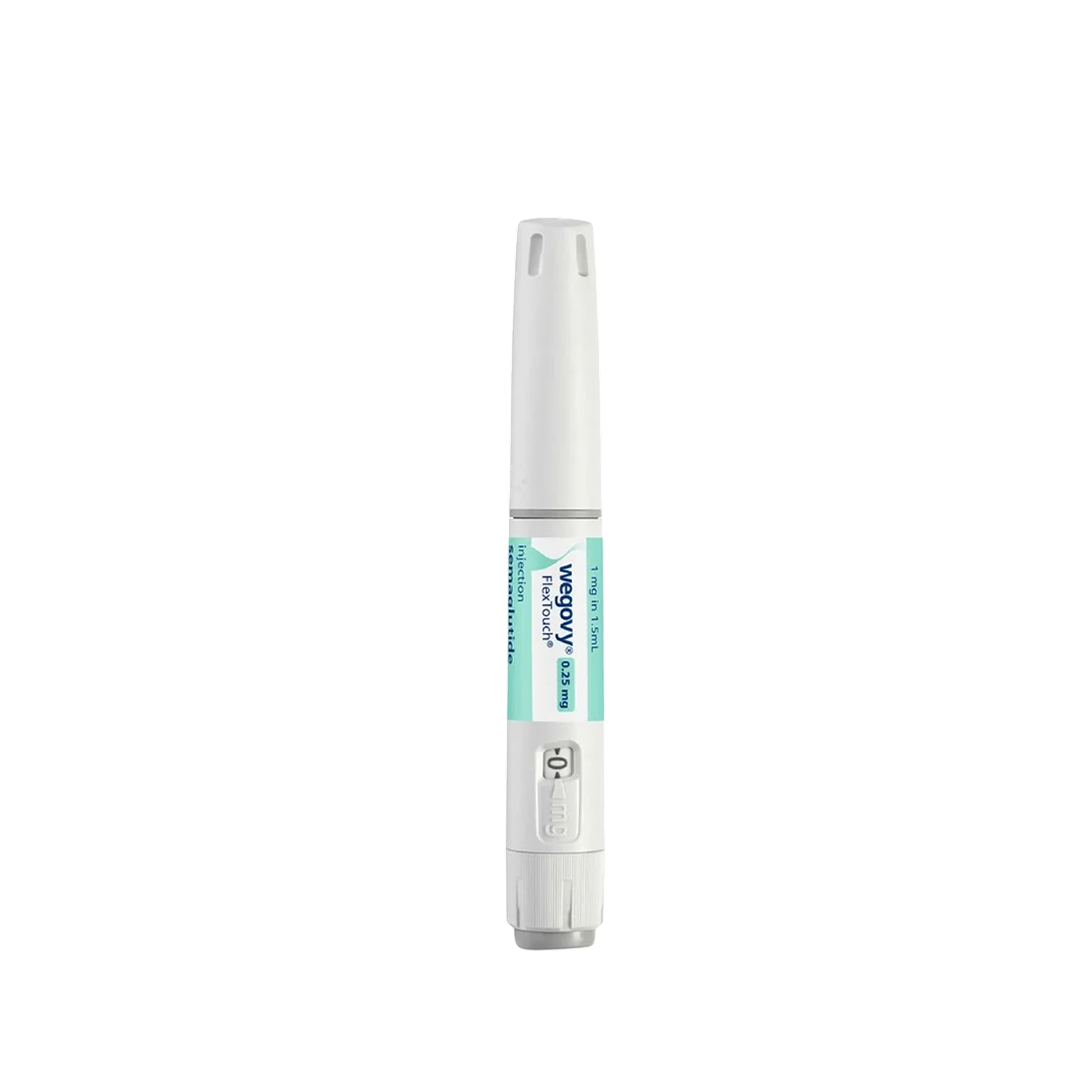
Wegovy®

Wegovy® £86.99

Retatrutide

Retatrutide Coming Soon

Plaobes (Liraglutide)

Plaobes (Liraglutide) £114.39

Finasteride

Finasteride£27.95 £23.95

Sildenafil

Sildenafil£11.95 £9.95

Tadalafil

Tadalafil£24.95 £19.95

Fexofenadine

Fexofenadine£6.49 £2.99

Thursday 11 December

Weight-Loss Myths: Why “Just Diet and Exercise” Isn’t Enough for Everyone

By Irfan Mahmud, Pharmacist & Independent Prescriber

Weight loss myths: why “just diet and exercise” is not enough for everyone

The idea that weight loss is simply a matter of eating less and moving more has been repeated for decades. While diet and physical activity are important for overall health, this advice does not reflect the full picture. For many people, biology, hormones, medical conditions and genetics play a much larger role than willpower alone. Understanding this helps remove guilt and opens the door to more effective, personalised approaches to weight management.

1. Weight is influenced by biology, not just behaviour

Every person’s body responds differently to food, exercise and weight loss strategies. Factors such as genetics, hormones, age and metabolic rate can make losing weight far more challenging for some than for others.

Research shows that:

• Some people naturally burn fewer calories at rest

• Appetite regulating hormones vary significantly between individuals

• Genetics can account for up to 70 per cent of body weight differences

This means two people can follow the same plan yet see completely different results. It is not a reflection of effort.

2. Hunger is not simply a matter of self control

Hormones such as GLP 1, ghrelin and leptin help regulate appetite and fullness. When these signals are disrupted, hunger can become stronger and harder to manage.

For example:

• Ghrelin may rise after weight loss, increasing hunger

• Leptin can fall, making it harder to feel full

• Stress and poor sleep can affect both hormones

Telling someone to “just try harder” ignores these powerful biological forces.

3. Metabolism adapts when you lose weight

When you reduce calorie intake or lose weight, the body responds by slowing its metabolism. This is a protective mechanism designed to conserve energy, but it also makes long term weight loss more difficult.

This can lead to:

• Fatigue

• Plateaus despite sticking to a plan

• Weight regain even with modest calorie intake

This metabolic adaptation is one reason why many people regain weight after dieting, despite continuing their efforts.

4. Chronic conditions can affect weight

Many medical conditions make weight loss harder, including:

• Polycystic ovary syndrome (PCOS)

• Hypothyroidism

• Insulin resistance

• Type 2 diabetes

• Depression and anxiety

• Some medications such as antidepressants, steroids or antipsychotics

In these cases, lifestyle changes alone may not be enough and medical support may be required.

5. Modern lifestyles work against biological balance

Highly processed foods, irregular eating patterns, chronic stress and poor sleep all influence hunger, cravings and metabolism. These pressures make it unrealistic to rely solely on diet and exercise without structured support.

For many people, improving sleep, reducing stress or adjusting working patterns has as much impact as changing food choices.

6. Medical treatments can support natural biology

For individuals who have struggled despite consistent effort, medical treatments such as GLP 1 medications can help by:

• Reducing appetite

• Slowing stomach emptying

• Supporting healthier eating habits

• Improving blood sugar regulation

These treatments work with biological pathways rather than against them, making sustainable Weight loss more achievable.

They are not shortcuts, but tools that help level the playing field.

7. Weight loss is not a moral issue

The myth that weight is purely a matter of discipline can lead to shame and self blame. In reality, weight is the result of a complex interaction of biology, environment, psychology and lifestyle.

Understanding this allows people to:

• Approach weight management without guilt

• Seek appropriate medical or behavioural support

• Build strategies that align with their individual needs

The bottom line

“Just diet and exercise” oversimplifies what is, for many people, a complex medical and biological issue. While nutrition and movement remain important for health, they are only part of the story. A personalised approach that considers hormones, metabolism, medical history and individual circumstances is far more effective and sustainable.

Weight loss is not about trying harder. It is about having the right tools, support and understanding.

Reviewed by Irfan Mahmud, Pharmacist and Independent Prescriber (GPhC Reg. No: 2080386)

Irfan is a UK registered pharmacist and independent prescriber with expertise in weight management, primary care and lifestyle medicine. As the founder of Cuva Health, he is dedicated to providing safe, clinically approved treatments and clear, trustworthy health guidance.

Back to blogBack to blog