Start Your Weight Loss Journey Today! Get £10-25 off your first consultation with code MOUNJSTART10 or MOUNJSTEPUP25

- Weight LossWeight Loss
- Hair LossHair Loss
- Sleep Help (Insomnia)Sleep Help (Insomnia)
- Erectile DysfunctionErectile Dysfunction
- HayfeverHayfever






Monday 12 January
Why Am I Losing Hair in my 20s? Causes of Early Hair Loss in Men
Why am I losing hair in my 20s. Causes of early hair loss in men
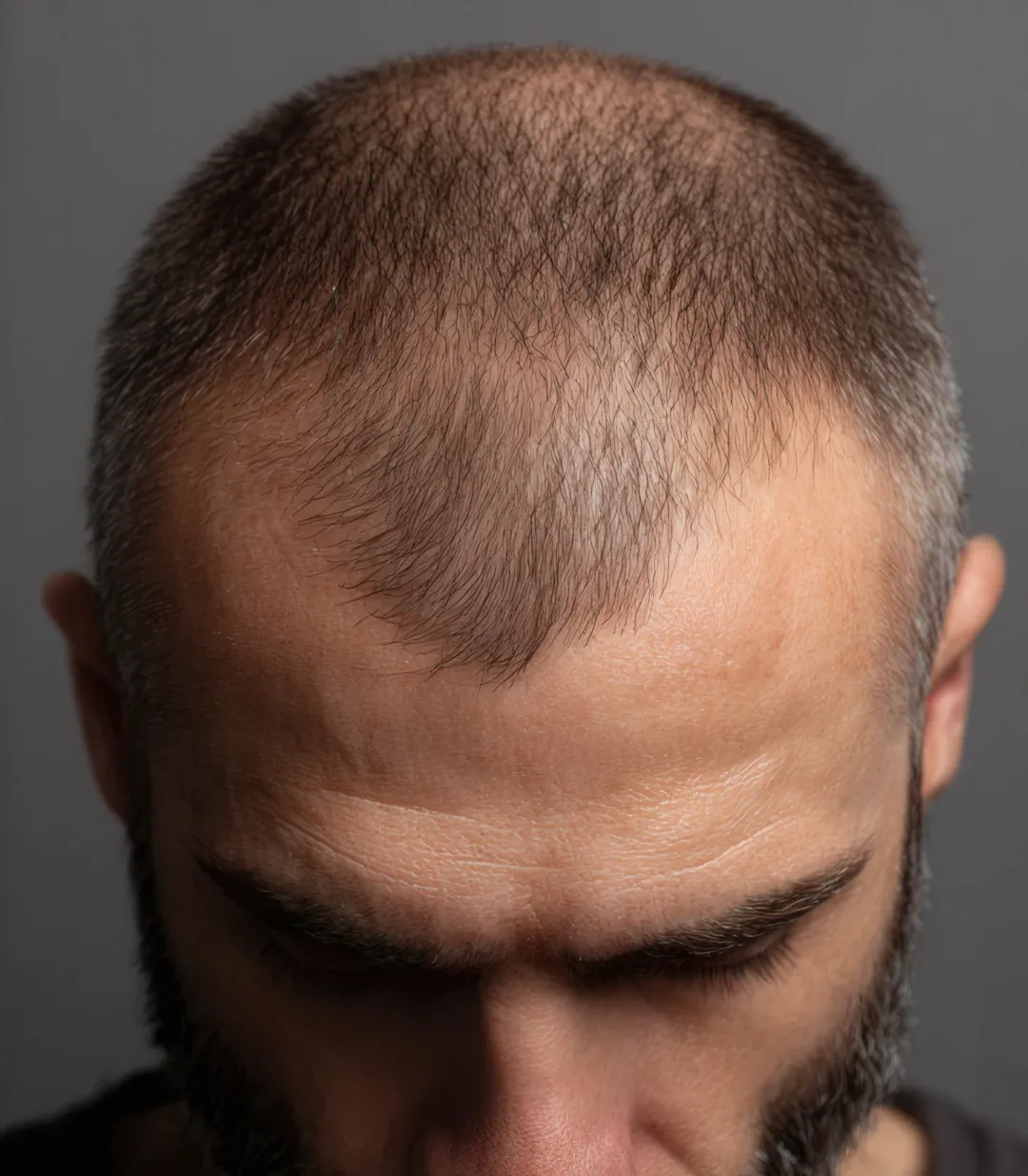
Noticing hair thinning or a receding hairline in your 20s can be worrying, especially when you expect hair loss to be something that happens much later in life. The truth is that early hair loss is more common than many people realise. Understanding the causes can help you take control and explore the right treatments before the condition progresses.
1. Male pattern hair loss can start early
The most common cause of hair loss in young men is male pattern baldness, also known as androgenetic alopecia. This condition is influenced by genetics and hormones and can begin any time after puberty.
You might notice:
• A receding hairline
• Thinning on the crown
• Gradual shedding over months or years
If close relatives experienced early hair loss, your risk is higher. The good news is that effective treatments are available if started early.
2. Hormones play a major role
The hormone DHT (dihydrotestosterone) is responsible for shrinking hair follicles in male pattern hair loss. Some men are more sensitive to DHT than others, which explains why two people of the same age can have very different patterns of hair growth.
Blocking or reducing the impact of DHT can slow hair loss and support regrowth.
3. Stress can accelerate hair shedding
High stress levels can trigger a condition called telogen effluvium, where hair enters the shedding phase earlier than usual. This type of hair loss often appears suddenly and may follow:
• Exams or work pressure
• Illness or infection
• A major life change
• Difficult emotional periods
The good news is that this type of hair loss is often temporary once the underlying stress improves.
4. Nutrition matters more than people think
Hair needs a steady supply of vitamins, minerals and protein to grow properly. Low levels of certain nutrients can lead to thinning or increased shedding.
Common deficiencies include:
• Iron
• Vitamin D
• Zinc
• B vitamins
• Protein intake that is too low
A blood test can help identify shortages that may be affecting hair growth.
5. Hair loss can follow illness or rapid weight loss
Your body prioritises essential functions during illness, infection or sudden changes in diet. Hair is not essential for survival, so growth slows and shedding increases.
Hair loss may occur 2 to 3 months after:
• Viral infections
• Surgery
• Crash dieting
• Severe caloric restriction
This type of shedding often reverses naturally once your body recovers.
6. Hairstyles and grooming practices can contribute
Tight hairstyles and certain grooming habits can cause traction alopecia and long term damage to hair follicles.
This can be triggered by:
• Tight braids or ponytails
• Frequent use of hats or helmets
• Excessive heat styling
• Harsh chemical treatments
Reducing tension and heat can help protect the hair you have.
7. Medical conditions to be aware of
Although less common, some health issues can contribute to early hair loss, including:
• Thyroid disorders
• Autoimmune conditions such as alopecia areata
• Scalp infections
• Hormonal imbalances
If hair loss is patchy, sudden or accompanied by other symptoms, a clinician should assess it.
8. Highly effective treatments are available
The earlier treatment begins, the better the long term results. Evidence based options for early male hair loss include:
• Finasteride to reduce DHT levels
• Minoxidil to stimulate growth
• Combination therapy for stronger results
• Nutritional improvements if deficiencies exist
• Stress management strategies
• Gentle scalp and hair care practices
Most men see the best improvements with a combined approach.
When to seek help
You should speak to a clinician if you notice:
• Rapid thinning over a short period
• Hairline changes before age 25
• Patchy or circular bald spots
• Sudden shedding after illness
• A family history of early hair loss
Early assessment makes treatment more effective and helps prevent further thinning.
The bottom line
Hair loss in your 20s is far more common than you might expect and often has clear, treatable causes. Whether it is genetics, hormones, stress or lifestyle factors, identifying the root of the problem early gives you the best chance of slowing hair loss and supporting regrowth. With the right plan, many men see a noticeable improvement in both their hair and their confidence.
Reviewed by Irfan Mahmud, Pharmacist and Independent Prescriber (GPhC Reg. No: 2080386)
Irfan is a UK registered pharmacist and independent prescriber with expertise in men’s health, weight management and lifestyle medicine. As the founder of Cuva Health, he is dedicated to providing safe, clinically approved treatments and clear, trustworthy health guidance.