Save £10 or £25 off your first weight loss consultation with code FIRSTWL10 or FIRSTWL25




Monday 29 June
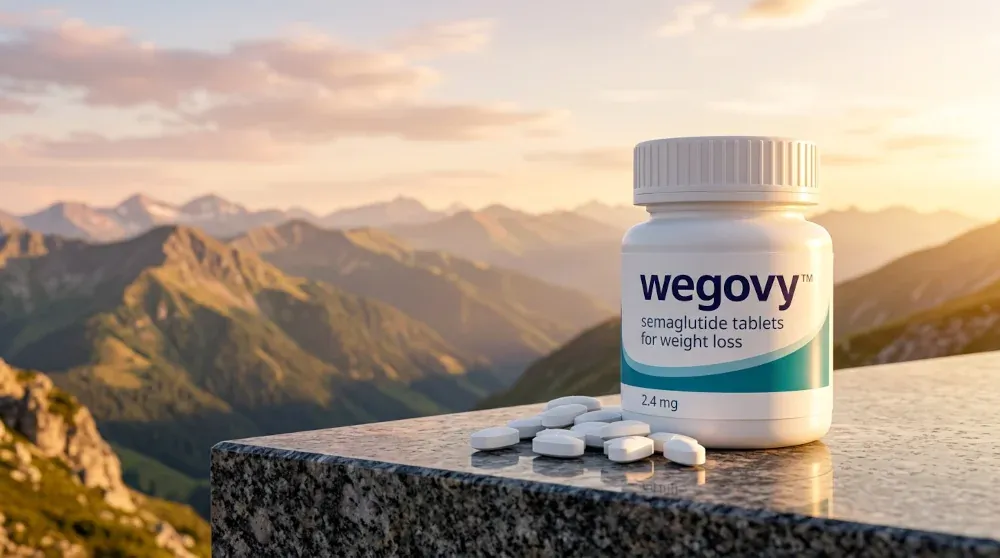
Wegovy Tablets (Oral Semaglutide): The UK's First Weight-Loss Pill Explained
Reviewed by: Irfan Mahmud, Superintendent Pharmacist, GPhC Registration: 2080386 │ GPhC Pharmacy: 9012581
Last clinically reviewed: 23.06.2026
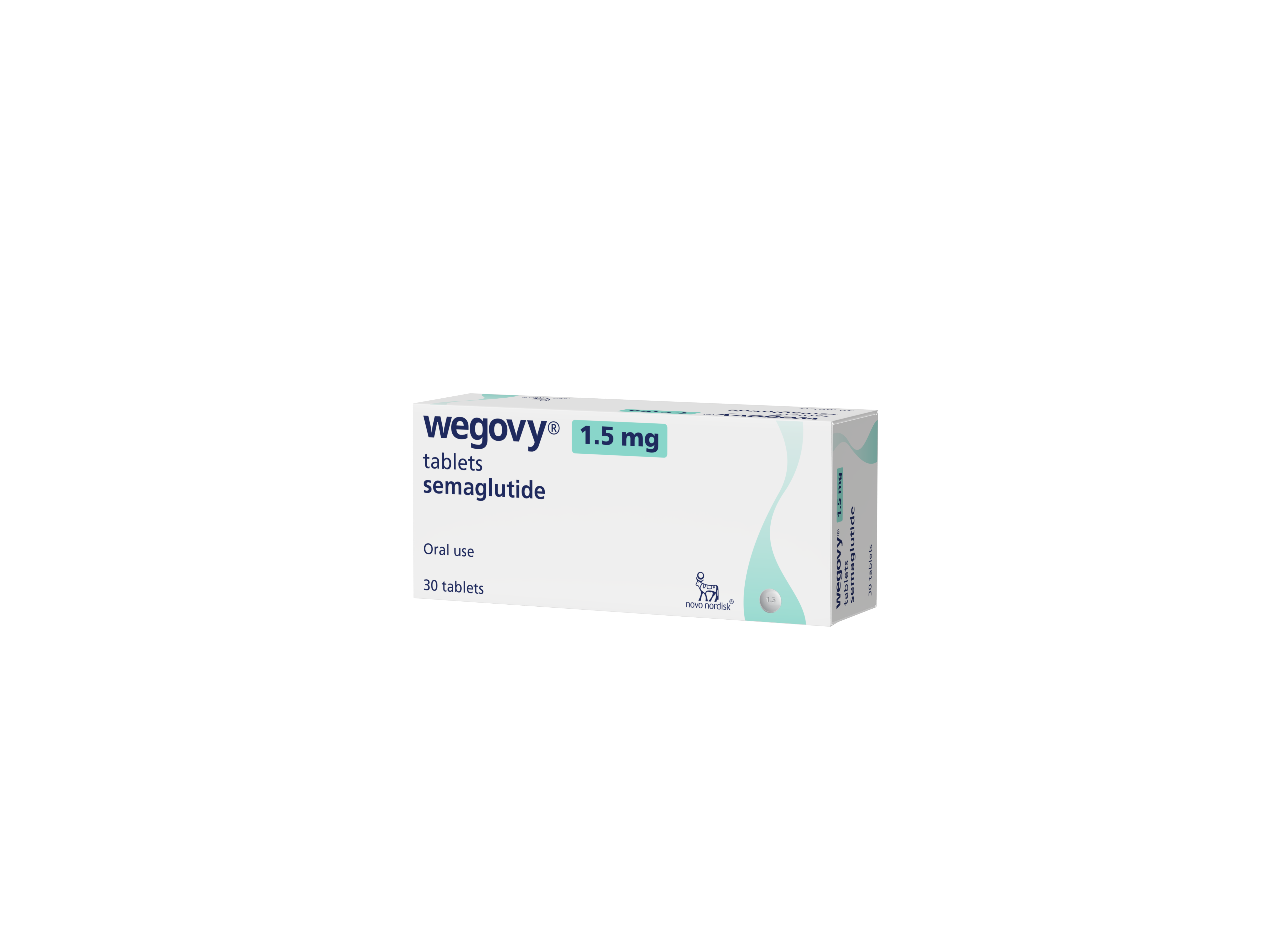
On 11 June 2026, the Medicines and Healthcare products Regulatory Agency (MHRA) approved Wegovy tablets, an oral, once-daily form of semaglutide, for weight management in adults. It is the first GLP-1 receptor agonist tablet ever licensed for weight loss in the United Kingdom, and the UK is the first country in Europe to grant the approval.
For the substantial number of UK adults who are clinically eligible for weight-loss treatment but have been deterred by weekly injections, this is a meaningful development: the same active ingredient already established in the weekly Wegovy injection, now available as a daily tablet.
This guide explains, honestly and in plain terms, what has actually been approved, how oral semaglutide works, how effective it is according to the clinical trial evidence, who is eligible, how the tablet must be taken, and how it compares with the injection. One point matters before you read any further: approval is not the same as availability. Wegovy tablets received MHRA approval on 11 June 2026 and are launching commercially in the UK from 6 July 2026. They are not currently available on the NHS. Any website offering them without a prescription should be avoided.
What are Wegovy tablets? (Oral semaglutide at a glance)
Wegovy tablets contain semaglutide, the same active ingredient as the once-weekly Wegovy injection. Semaglutide is a glucagon-like peptide-1 (GLP-1) receptor agonist, a medicine that mimics a hormone the body naturally releases after eating to regulate appetite and blood sugar.
The difference is the format and the dose scale. The injection is given subcutaneously once a week at a maintenance dose of 2.4 mg. The tablet is taken by mouth once a day and is titrated up to a target dose of 25 mg. Because a tablet must survive the digestive system before the semaglutide can be absorbed, oral formulations require a much larger milligram dose than injections to achieve a comparable effect, which is why the numbers look so different despite being the same drug.
Wegovy tablets are supplied in four strengths for weight management: 1.5 mg, 4 mg, 9 mg and 25 mg. They are a prescription-only medicine (POM) and require a clinical assessment before they can be supplied.
Wegovy tablets are not the same as Rybelsus
This is the single most common source of confusion, and it matters clinically.
Wegovy tablets vs Rybelsus, both are oral semaglutide, but they are not interchangeable
Rybelsus is an oral semaglutide tablet licensed at lower doses (up to 14 mg) for the management of type 2 diabetes. It is not licensed for weight management.
Wegovy tablets are licensed at a higher dose (up to 25 mg) specifically for weight management.
They share an active ingredient but have different doses, different licensed uses and different prescribing criteria. Rybelsus should never be substituted for Wegovy tablets, and a Rybelsus prescription is not a route to weight-loss treatment.
Sources: MHRA First GLP-1 tablet for weight loss approved in the UK (11 June 2026); MHRA Summary of Product Characteristics - semaglutide (Wegovy, Rybelsus).
How do Wegovy tablets work?
Semaglutide works on the same biological pathways whether it is injected or swallowed. As a GLP-1 receptor agonist, it:
● Reduces appetite by acting on areas of the brain that regulate hunger and satiety.
● Increases the feeling of fullness, so meals feel more satisfying and portions naturally reduce.
● Slows gastric emptying, meaning food stays in the stomach for longer.
● Quietens "food noise", the persistent, intrusive thoughts about food that many people with obesity describe.
The combined effect is that most patients find it easier to maintain a calorie deficit without the constant sense of deprivation that undermines dieting alone. Crucially, the medicine is licensed as an adjunct to a reduced-calorie diet and increased physical activity, not as a replacement for them. It supports the lifestyle changes that drive long-term results; it does not remove the need for them.
Why the format matters
For a significant group of people, the barrier to treatment was never doubt about the science, it was the needle. Some have a genuine phobia; others simply dislike the idea of a weekly self-injection, or of storing medication in the fridge. A daily tablet removes that barrier entirely for those patients. The psychological difference between swallowing a pill and injecting yourself is, for many people, the difference between considering treatment and ruling it out.
That said, the tablet introduces a different demand in its place, a strict daily fasting routine, which we explain in full below.
How effective are Wegovy tablets? (What the trials show)
The MHRA approval is based on the OASIS-4 phase 3 clinical trial, which studied the 25 mg semaglutide tablet over 64 weeks in 307 adults living with obesity, or overweight with at least one weight-related condition, who did not have type 2 diabetes.
Here is where figure discipline matters, because two different numbers are reported from the same trial, and competitor articles frequently quote them interchangeably without explanation:
● Trial-product estimand (full adherence): among participants who stayed on treatment as intended, average weight loss was approximately 16.6%, compared with around 2.7% on placebo.
● Treatment-policy estimand (real-world adherence): across all participants regardless of whether they stayed on treatment, average weight loss was approximately 13.6%, compared with around 2.4% on placebo.
Both figures are legitimate. The 16.6% figure tells you what the tablet can achieve under ideal conditions; the 13.6% figure is the more conservative, real-world measure. Approximately one in three participants achieved 20% or greater weight loss.
Clinical trial results at a glance
Treatment Dose Trial Duration Mean weight loss
Wegovy tablet 25 mg daily OASIS-4 64 weeks ~13.6% (real-world) / ~16.6% (full adherence)
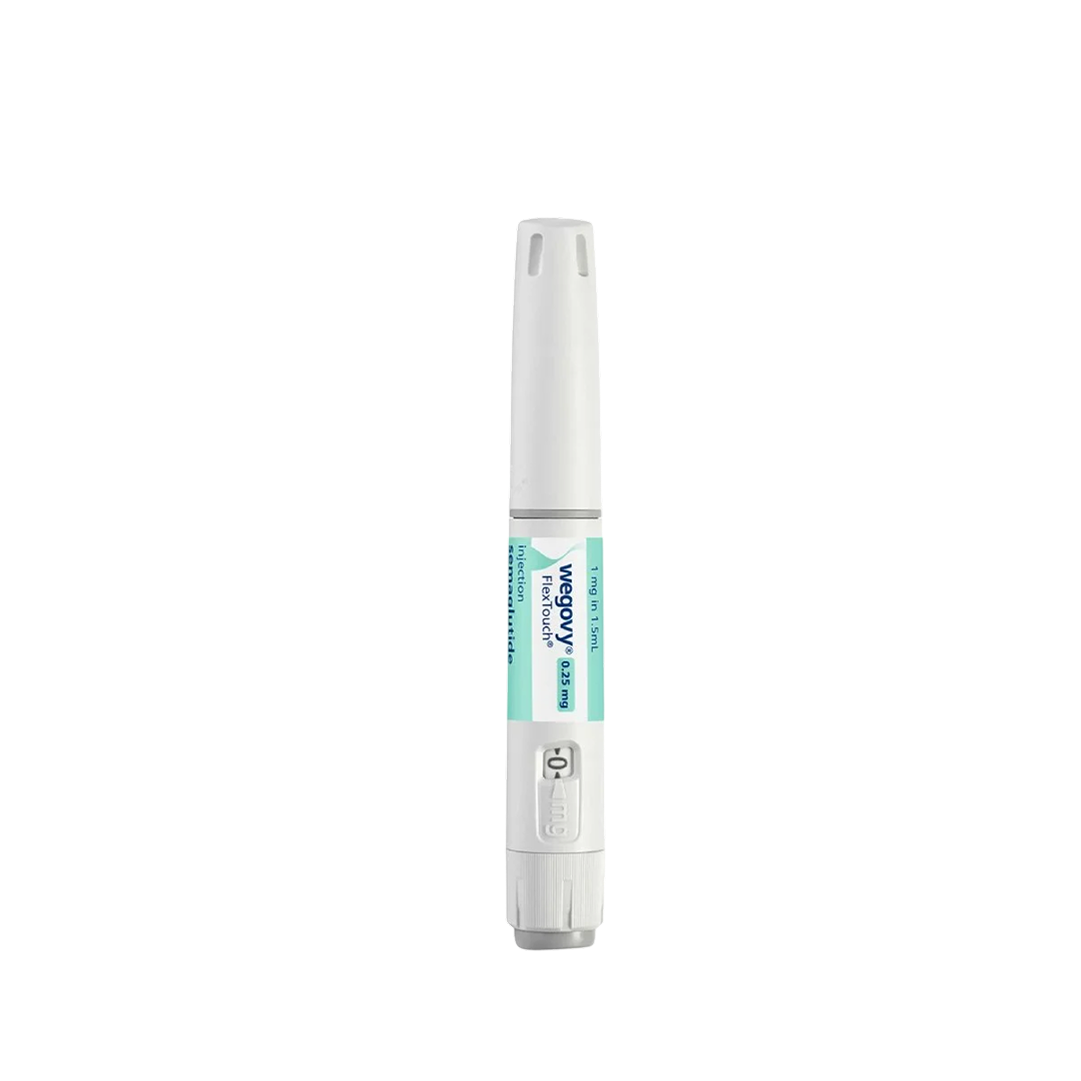
Wegovy injection 2.4 mg weekly STEP-1 68 weeks ~15%
Wegovy injection (HD) 7.2 mg weekly STEP UP 72 weeks ~21%
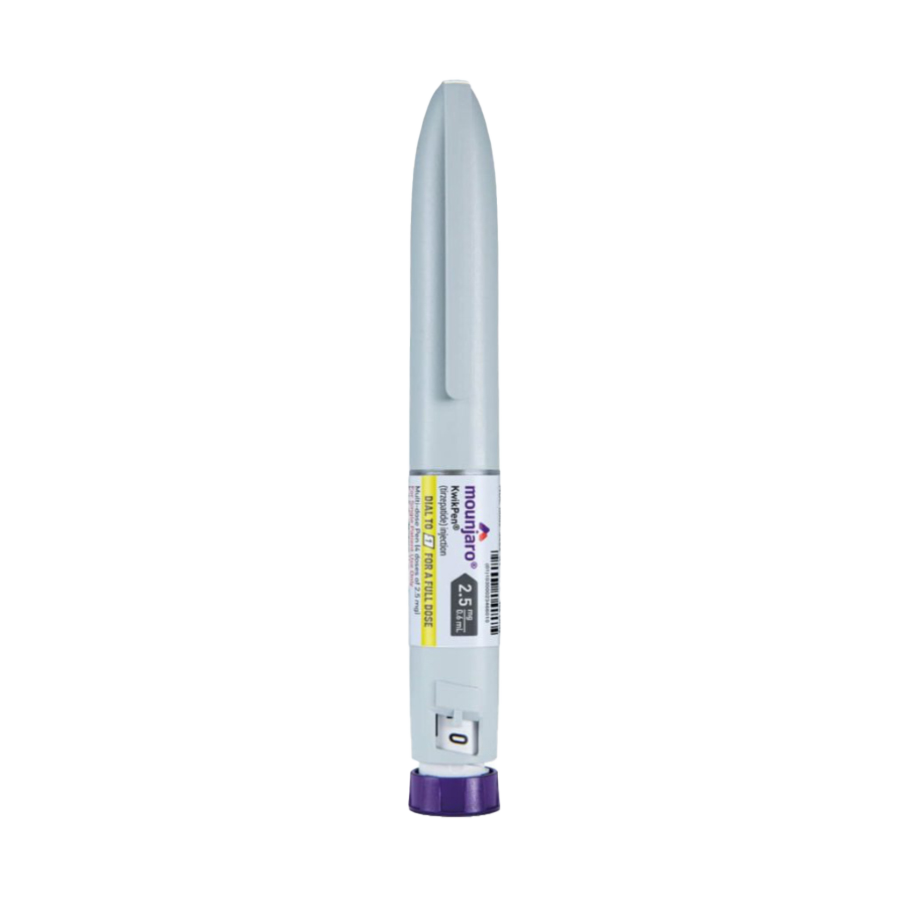
Mounjaro injection up to 15 mg weekly SURMOUNT-1 72 weeks ~21–22%
The honest comparison
The tablet is broadly comparable to the standard injection, but not to the highest-dose injection.
Wegovy 25 mg tablets deliver weight loss broadly in line with the standard 2.4 mg Wegovy injection. They do not match the newer high-dose 7.2 mg Wegovy injection (~21%), nor the highest tirzepatide (Mounjaro) results (~21–22%).
If your priority is the maximum possible weight loss and you are comfortable with injections, a high-dose injectable may still be the stronger option. If convenience, needle avoidance and ease of long-term use matter more to you, the tablet is a genuinely comparable route into clinically proven treatment. Individual results vary, some people lose less, some lose more.
Cross-trial comparisons should always be interpreted with caution: these studies differ in design, population, duration and primary endpoints, and were not designed to be compared head-to-head against one another.
Sources: OASIS-4 (oral semaglutide 25 mg), 2025/26; Wilding JPH et al. STEP-1, NEJM 2021; Wharton S et al. STEP UP (semaglutide 7.2 mg), ADA 2025; Jastreboff AM et al. SURMOUNT-1, NEJM 2022; MHRA approval statement, 11 June 2026.
Wegovy tablets vs Wegovy injection
Both are semaglutide, and the choice between them is increasingly about lifestyle fit rather than effectiveness.
Factor Wegovy tablet Wegovy injection
Format Oral tablet Subcutaneous pen
Frequency Once daily Once weekly
Dose ladder 1.5 → 4 → 9 → 25 mg 0.25 → 0.5 → 1 → 1.7 → 2.4 mg (and 7.2 mg HD)
Peak efficacy Comparable to 2.4 mg injection Up to ~21% at 7.2 mg HD
Fasting required? Yes — strict (see below) No — any time, with or without food
Storage Room temperature Refrigeration generally required
Best suited to Needle-averse patients; those who prefer a daily routine Patients seeking maximum efficacy; those who prefer weekly dosing
For some patients, the absence of a weekly injection and the lack of a fridge-storage requirement make the tablet far easier to maintain over months or years of treatment. For others, the strict morning fasting protocol of the tablet is harder to live with than a single weekly injection. There is no universally "better" option, only the option that fits a given patient's life and goals.
If you are currently on the Wegovy injection and considering the tablet, see our dedicated guide: Switching from Wegovy Injection to Wegovy Tablets. If you are on Mounjaro and wondering about moving across, see Switching from Mounjaro Injection to Wegovy Tablets, a more complex switch, as it involves changing the active medicine.
How to take Wegovy tablets (the fasting protocol)
This is the part that most determines whether the tablet works for you, and it is more demanding than most people expect. Oral semaglutide is poorly absorbed unless taken under specific conditions, so the rules are not optional, they directly affect whether the medicine reaches your bloodstream.
The protocol:
1. Take the tablet first thing in the morning, on an empty stomach, after fasting overnight (at least 8 hours without food).
2. Swallow the tablet whole, do not split, crush or chew it.
3. Take it with a small sip of plain water only (no other drinks).
4. After taking it, wait at least 30 minutes before eating, drinking anything else, or taking any other oral medication.
Why getting this wrong matters
If you eat or drink too soon, or take the tablet with food, the semaglutide is poorly absorbed and the dose may have little effect. Unlike the injection, which is absorbed reliably regardless of meals, the tablet depends entirely on this fasted window. A tablet taken incorrectly is, in practical terms, a wasted dose.
Building it into a routine
The most reliable approach is to treat the tablet as the very first thing you do on waking: take it the moment you get up, then use the 30-minute window for your morning routine, showering, dressing, before breakfast. Patients who try to fit it around an existing breakfast habit are the ones most likely to slip. If a consistent fasted morning is genuinely incompatible with your circumstances (for example, shift work), this is worth raising during your consultation, as the injection, or a different oral GLP-1 with less strict timing, may suit you better.
Sources: MHRA approval statement and administration guidance, 11 June 2026; MHRA Summary of Product Characteristics — semaglutide tablet.
Dosing and titration schedule
Wegovy tablets are titrated slowly to allow your digestive system to adapt and to minimise side effects. The dose increases in four steps, with a minimum of one month at each level before escalating.
Step Dose Purpose What to expect
1 1.5 mg Starting dose Tolerability-building; modest effect on appetite. Mild nausea possible as the body adjusts.
2 4 mg First escalation Appetite reduction becomes more noticeable. GI side effects may briefly recur.
3 9 mg Second escalation Appetite suppression well established for most patients; weight loss typically more consistent.
4 25 mg Target maintenance Full therapeutic dose. The dose at which the OASIS-4 efficacy results were achieved.
Your prescriber may hold you at a lower dose for longer if you are experiencing significant side effects, or keep you below 25 mg if you are responding well and tolerating it. Titration is individual, the schedule above is the framework, not a fixed timetable.
Who can take Wegovy tablets? (UK eligibility)
Under the MHRA licence, Wegovy tablets may be prescribed to adults, alongside a reduced-calorie diet and increased physical activity, who have:
● a Body Mass Index (BMI) of 30 or above (obesity); or
● a BMI between 27 and 30 (overweight) with at least one weight-related comorbidity, for example type 2 diabetes, high blood pressure, high cholesterol or obstructive sleep apnoea.
The tablet is licensed for weight management, not cosmetic weight loss. A clinical assessment is required to confirm that treatment is appropriate and safe for you.
Who should not take Wegovy tablets, or should use caution
Wegovy tablets are not suitable during pregnancy or breastfeeding, or for anyone trying to conceive. They are used with caution, or avoided, in people with:
● a personal or family history of medullary thyroid carcinoma, or multiple endocrine neoplasia syndrome type 2;
● a history of pancreatitis;
● severe gastrointestinal disease, or significant problems with gastric emptying;
● diabetic retinopathy (which requires monitoring).
This is not a complete list. Your prescriber will review your full medical history, current medicines and circumstances before deciding whether the tablet is right for you. The definitive reference is the MHRA-approved Patient Information Leaflet supplied with the medicine.
Sources: MHRA First GLP-1 tablet for weight loss approved in the UK, 11 June 2026; MHRA Summary of Product Characteristics — semaglutide.
Side effects and safety
Wegovy tablets carry the same well-characterised safety profile as semaglutide more broadly. The most common side effects are gastrointestinal and are usually most noticeable when starting treatment or stepping up a dose, easing as the body adapts:
● nausea
● vomiting
● diarrhoea
● constipation
● abdominal pain or discomfort
Slow titration is specifically designed to reduce the intensity of these effects. Staying well hydrated, eating smaller meals and avoiding very rich or fatty foods can help during dose increases.
Less common but more serious risks associated with the GLP-1 class include pancreatitis, gallbladder problems and dehydration-related effects on the kidneys. Seek prompt medical advice if you experience severe or persistent abdominal pain, signs of dehydration, or any reaction that concerns you.
Report side effects via the MHRA Yellow Card scheme: yellowcard.mhra.gov.uk, or search "MHRA Yellow Card" in the App Store or Google Play. Reporting helps the MHRA monitor the safety of new medicines.
A practical note specific to the tablet: because semaglutide slows gastric emptying, it can affect the absorption of some other oral medicines taken at the same time. This is one reason for the 30-minute wait after dosing, and a reason to tell your prescriber about everything you take, including the contraceptive pill and any time-critical medication.
Sources: MHRA Summary of Product Characteristics — semaglutide; OASIS-4 safety data; MHRA Yellow Card scheme.
Wegovy tablets vs Mounjaro
Mounjaro (tirzepatide) is a different molecule, a dual GIP/GLP-1 receptor agonist, and in its highest-dose injectable form it currently produces the largest average weight loss of any licensed UK treatment (~21–22%). Wegovy tablets and Mounjaro are therefore not like-for-like: the tablet's advantage is format and convenience; Mounjaro's is peak efficacy.
For a full clinical comparison of the two medicines, see our pillar guide: Mounjaro vs Wegovy.
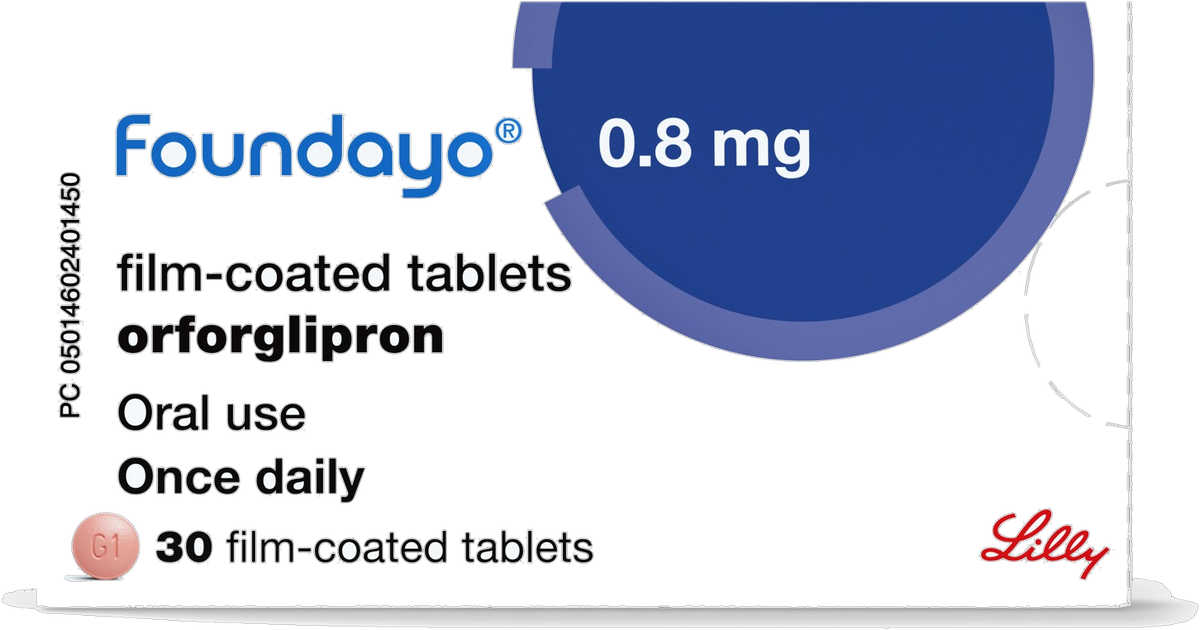
It is also worth knowing what is coming next. Orforglipron (brand name Foundayo), Eli Lilly's oral GLP-1 tablet, was approved in the US in 2026, with a UK regulatory decision expected later in the year. Unlike oral semaglutide, it does not require the same strict fasting protocol — a potential advantage for patients who find the morning routine difficult. We will update this guide as the UK picture develops.
Cost and availability in the UK
Two things are true at the same time, and they are easy to confuse:
● Wegovy tablets are MHRA-approved. The licence was granted on 11 June 2026.
● Wegovy tablets are launching commercially in the UK from 6 July 2026. The commercial launch is confirmed for 6 July 2026, initially through private providers. They are not available on the NHS. Initial access is expected to be through private prescription.
From 6 July 2026, treatment will require a clinical consultation, and the medicine will be dispensed by a GPhC-registered pharmacy. Pricing for UK patients has not yet been confirmed publicly; we will publish indicative costs once they are available (Pricing in £ to be confirmed at launch).
A word of caution on availability: because demand is high and supply has not yet begun, you may encounter websites claiming to sell "oral Wegovy" or "Wegovy pills" now. Any supplier offering this medicine without a prescription, or before the official UK launch, is operating outside the rules and should not be used. The safe route is a clinical assessment through a registered pharmacy.
Sources: MHRA approval statement, 11 June 2026; UK pharmacy availability reporting, June 2026.
Frequently asked questions
Are Wegovy tablets as effective as the injection?
Wegovy 25 mg tablets are broadly comparable to the standard 2.4 mg Wegovy injection, with average weight loss of approximately 13.6% (real-world) to 16.6% (full adherence) over 64 weeks in the OASIS-4 trial. They do not match the higher-dose 7.2 mg Wegovy injection or the highest Mounjaro results. Individual results vary.
Can I switch from the Wegovy injection to the tablet?
The MHRA has confirmed that patients on a 2.4 mg weekly injection can be transitioned to a 25 mg daily tablet. Any switch still requires a clinical assessment and is not a simple swap. See our guide: Switching from Wegovy Injection to Wegovy Tablets.
Can I switch from Mounjaro to Wegovy tablets?
This is possible but more involved, because it means changing from one active medicine (tirzepatide) to another (semaglutide), and the dose schedule restarts. It should only be done under clinical guidance. See our guide: Switching from Mounjaro Injection to Wegovy Tablets.
When will Wegovy tablets be available in the UK?
They are approved and launching commercially from 6 July 2026 through private providers. NHS availability has not yet been confirmed. Check with a GPhC-registered UK pharmacy for prescribing availability from that date.
Do I really have to fast before taking them?
Yes. The tablet must be taken on an empty stomach with a sip of water, after at least 8 hours fasting, with no food or drink for at least 30 minutes afterwards. Without this, the medicine is poorly absorbed and may not work.
Are Wegovy tablets available on the NHS?
Not currently. Initial access is expected to be private. NHS availability, if it follows, would be a separate decision.
The bottom line
Wegovy tablets are a genuine milestone, the first weight-loss pill of their kind licensed in the UK, offering the proven science of semaglutide without a needle. For patients who were never going to inject, that changes what is possible.
But the tablet is not a shortcut. It demands a strict daily routine, it works only alongside diet and activity, and it matches the standard injection rather than the strongest one. Used properly, with the right clinical support, it is a powerful and welcome new option. The right choice between tablet and injection depends on your goals, your medical history and your day-to-day life, which is exactly the conversation a clinical consultation is for.
This article has been reviewed and approved by Irfan Mahmud, Superintendent Pharmacist (GPhC Registration: 2080386). Dispensed by our GPhC-registered pharmacy (Registration: 9012581), regulated by the General Pharmaceutical Council.
This content is for informational purposes only and does not constitute medical advice. All treatments are prescription-only medicines (POM). Consult a qualified healthcare professional before starting, stopping or changing any medication. Report suspected side effects via the MHRA Yellow Card scheme: yellowcard.mhra.gov.uk.
Last clinically reviewed: 23.06.2026.