Save £10 or £25 off your first weight loss consultation with code FIRSTWL10 or FIRSTWL25





Online Sleep Clinic — UK
Chronic insomnia treatment, guided by UK clinicians
If poor sleep has lasted months rather than days, it deserves proper clinical attention — not another night of guesswork. Complete a confidential online assessment and our clinical team will review the treatment options that are right for you.
Start your free assessmentGPhC-Registered Pharmacy · 9012581Reviewed by UK PrescribersDiscreet Royal Mail Delivery
What to expect
- A short, confidential questionnaire about your sleep, health and medicines — around 3 minutes.
- A qualified prescriber reviews your answers, usually the same day.
- If treatment is suitable, it is dispensed by our GPhC-registered pharmacy and delivered discreetly.
Understanding the condition
What is insomnia?
Insomnia is a sleep disorder in which you regularly have difficulty falling asleep, staying asleep, or waking too early — despite having the opportunity to sleep — and it affects how you feel and function during the day.
Almost everyone has the occasional bad night. Insomnia is different: it is a persistent pattern. The NHS estimates that as many as one in three people in the UK experience episodes of insomnia, and for a significant number it becomes a long-term problem that erodes energy, mood, concentration and physical health.
Clinicians distinguish between two forms. Acute (short-term) insomnia lasts days or weeks and is usually triggered by something identifiable — stress at work, bereavement, illness, jet lag or a change in routine. It often resolves on its own once the trigger passes. Chronic (long-term) insomnia is diagnosed when sleep difficulties occur at least three nights a week, for three months or more, with a clear impact on daytime functioning. Chronic insomnia rarely fixes itself, and it is the form most likely to need structured treatment.
Signs you may have chronic insomnia
At night
Lying awake for long periods before falling asleep, waking several times during the night, or waking early and being unable to drift off again — even when you are tired and have time to sleep.
During the day
Persistent fatigue, low mood, irritability, difficulty concentrating or remembering things, and finding it hard to nap despite exhaustion. Daytime impact is a defining feature of chronic insomnia.
Over time
Growing anxiety about sleep itself — dreading bedtime, watching the clock, or feeling your bed has become a place of frustration rather than rest. This cycle is common, and it is treatable.
What causes insomnia?
Insomnia usually has more than one cause, and identifying yours is part of any good clinical assessment. Common contributors include:
- Stress and anxiety — the most frequent trigger; an overactive mind at night keeps the brain’s wake system switched on.
- Low mood and depression — poor sleep and low mood commonly reinforce each other.
- Irregular routines — shift work, inconsistent bedtimes, late screen use and jet lag disrupt the body clock.
- Lifestyle factors — caffeine, alcohol and nicotine, particularly later in the day.
- Physical health conditions — chronic pain, menopause, breathing problems and an overactive thyroid, among others.
- Other medicines — some prescription and over-the-counter medicines can interfere with sleep.
Why treating it matters
Chronic insomnia is not simply an inconvenience. Long-term poor sleep is associated with a higher risk of depression and anxiety, weight gain, type 2 diabetes, high blood pressure and cardiovascular disease. It impairs memory, judgement and reaction times — with real consequences for work and driving safety.
Equally important is what treatment gives back: people who address chronic insomnia typically report better daytime energy, steadier mood and improved concentration — the daytime benefit is often what patients value most.
If your sleep has been poor for three months or longer, it is worth taking seriously. Effective, evidence-based help exists.
A balanced view
Treatment options for insomnia in the UK
There is no single answer for everyone. UK guidance sets out a clear pathway, and a good clinician will walk you through it in this order.
Foundation
Sleep hygiene and routine
Consistent wake times, limiting caffeine and alcohol, keeping the bedroom cool and dark, and winding down without screens. These habits underpin every other treatment — though for genuine chronic insomnia, they are rarely enough on their own.
First-line
CBTi — cognitive behavioural therapy for insomnia
CBTi is the recommended first-line treatment for chronic insomnia in the UK. It is a structured programme that retrains the thoughts and behaviours keeping you awake, and its benefits tend to last well beyond the end of the course. It is available through the NHS in some areas and through digital programmes.
We recommend CBTi to every patient for whom it is suitable. Medication is considered when CBTi has not worked, is not suitable, or is not accessible.
Short-term
Short-term prescription sedatives
Traditional sleeping tablets can help break a short spell of severe sleeplessness. They are limited to brief courses — usually no more than a few weeks — because of the risk of tolerance and dependence, and they are not a treatment for long-term insomnia.
Long-term
Longer-term prescription treatment
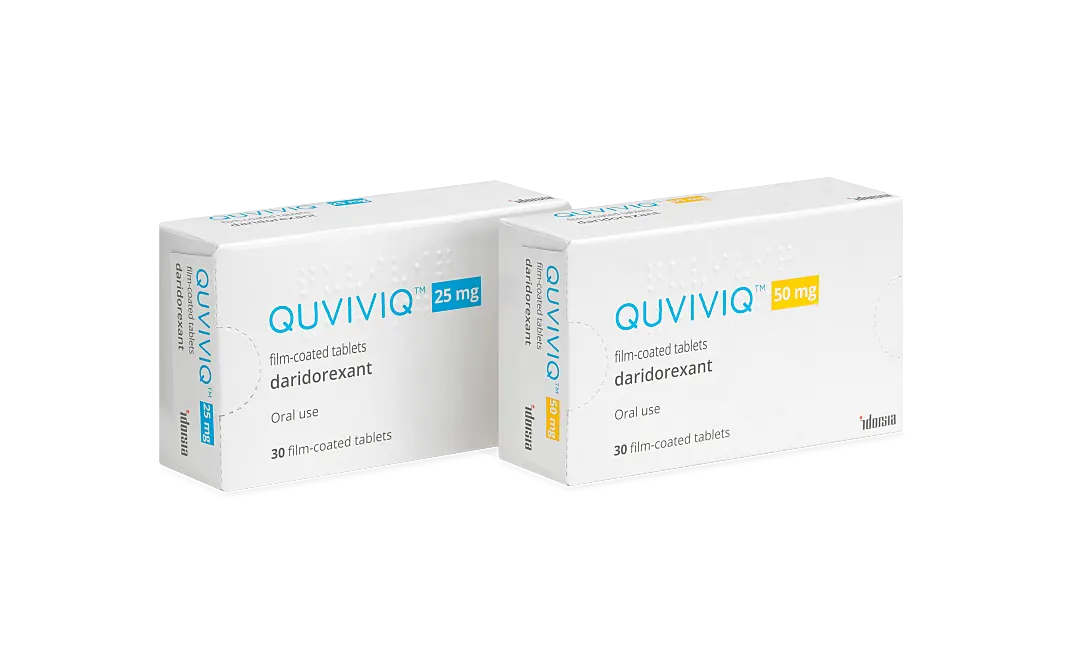
For adults whose insomnia has lasted three months or more, newer prescription treatments are now licensed in the UK specifically for chronic insomnia. In clinical trials they improved both night-time sleep and next-day functioning, with a lower risk of dependence than traditional sedatives — which is why, unlike older sleeping tablets, they can be used over a longer period under clinical review.
Whether this route is right for you depends on your history, other medicines and health — which is exactly what our assessment establishes. Learn more about the long-term insomnia treatment available through our clinic.
Our service
How our online sleep clinic works
1
Complete your assessment
A confidential online questionnaire covering your sleep pattern, medical history and current medicines. It takes around three minutes and there is no obligation.
2
Clinical review
A UK-registered prescriber reviews your answers — usually the same day. If anything needs clarifying, they will contact you. If treatment is not appropriate, we will tell you honestly and point you to the right next step.
3
Discreet delivery
If treatment is prescribed, it is dispensed by our GPhC-registered pharmacy and delivered by Royal Mail in plain, unmarked packaging — with ongoing support and scheduled clinical reviews.
Every prescription is issued under the supervision of our Superintendent Pharmacist, Irfan Mahmud (GPhC 2080386), and dispensed by our pharmacy registered with the General Pharmaceutical Council (GPhC 9012581). You can verify both registrations on the public GPhC register at any time.
Ready to sleep properly again?
Start with a confidential assessment reviewed by our clinical team. It takes three minutes, costs nothing, and there is no obligation to proceed.
Start your free assessmentCommon questions
Insomnia treatment — FAQ
What is the difference between acute and chronic insomnia?
Acute insomnia is short-term sleeplessness, usually lasting days or weeks and often triggered by stress or a change in circumstances. Chronic insomnia is diagnosed when sleep problems occur at least three nights a week for three months or more and affect how you function during the day. The distinction matters because the two are treated differently.
Do I need to try CBTi before medication?
CBTi is the recommended first-line treatment for chronic insomnia in the UK, and we recommend it to every patient for whom it is suitable. Medication is generally considered when CBTi has not worked, is unsuitable, or is not available in your area. Our clinical team will always discuss this with you as part of your assessment.
Can I get insomnia treatment online in the UK?
Yes. UK-regulated online pharmacies can carry out a clinical assessment through qualified prescribers. If treatment is appropriate, a private prescription is issued and dispensed by a GPhC-registered pharmacy, with discreet delivery by Royal Mail. Always check that any online provider displays a verifiable GPhC registration number.
Are sleeping tablets addictive?
It depends on the medicine. Some traditional short-term sedatives carry a recognised risk of tolerance and dependence, which is why they are restricted to short courses. Newer prescription treatments designed for longer-term use have shown a lower risk of dependence in clinical studies. Your prescriber will explain the profile of any medicine considered for you.
How do I know which treatment is right for me?
That depends on how long your insomnia has lasted, how it affects your daily life, your medical history and any other medicines you take. A clinical assessment weighs all of these factors — there is no single best option for everyone, which is exactly why an individual assessment matters.
Is the service confidential?
Yes. Your assessment is reviewed privately by our clinical team, your information is handled in line with UK data protection law, and any delivery arrives in plain, unmarked packaging with no indication of the contents.