Save £10 or £25 off your first weight loss consultation with code FIRSTWL10 or FIRSTWL25



Save £10 or £25 off your first weight loss consultation with code FIRSTWL10 or FIRSTWL25
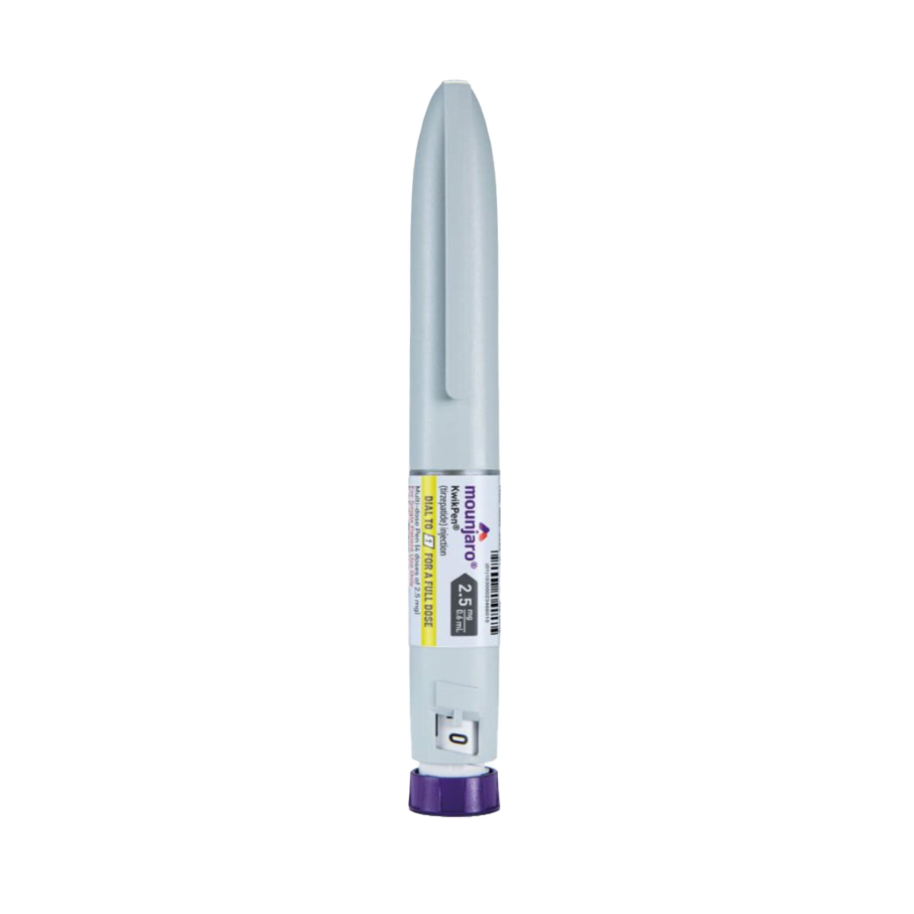
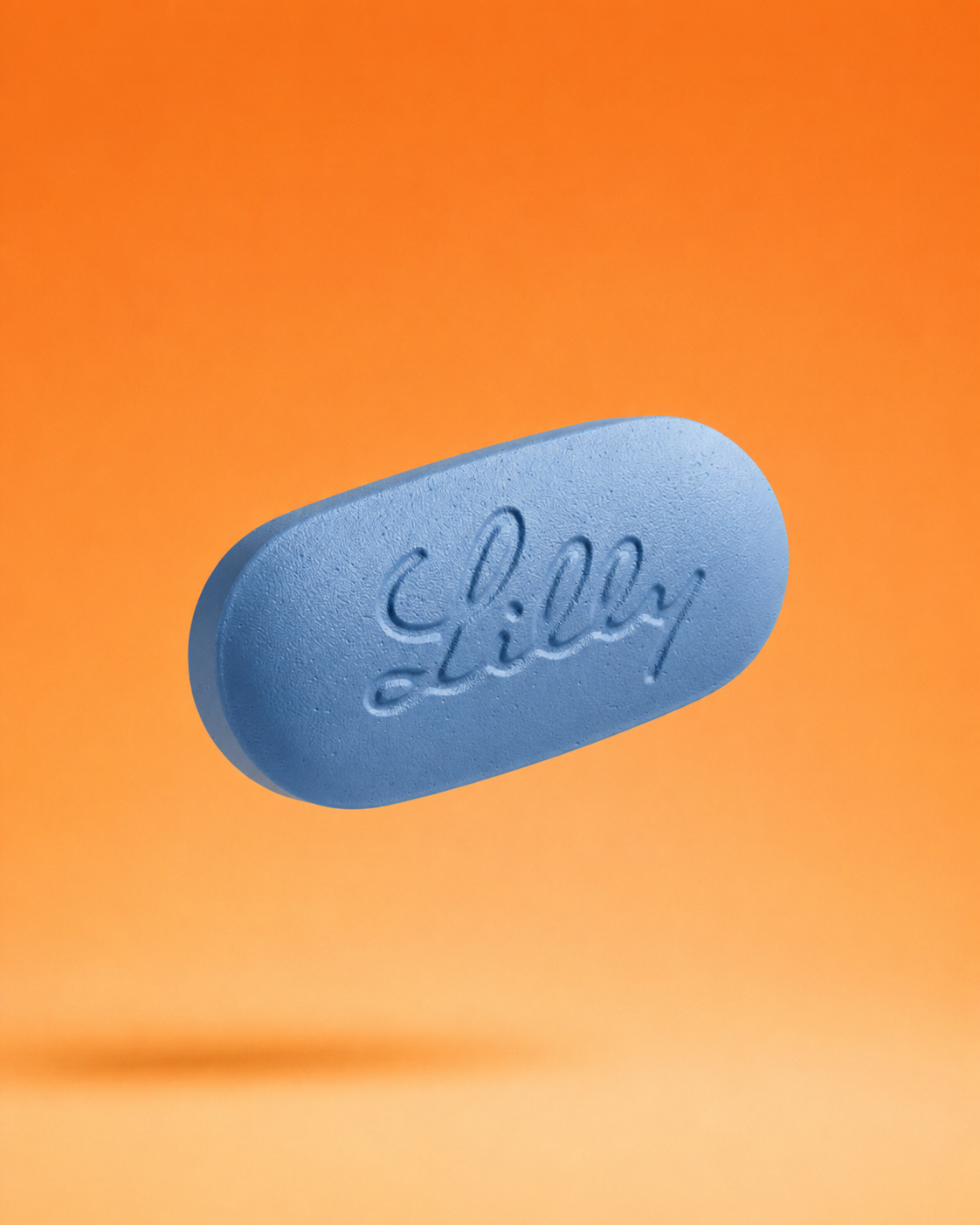
Mounjaro® Injection Pen
from £139.99
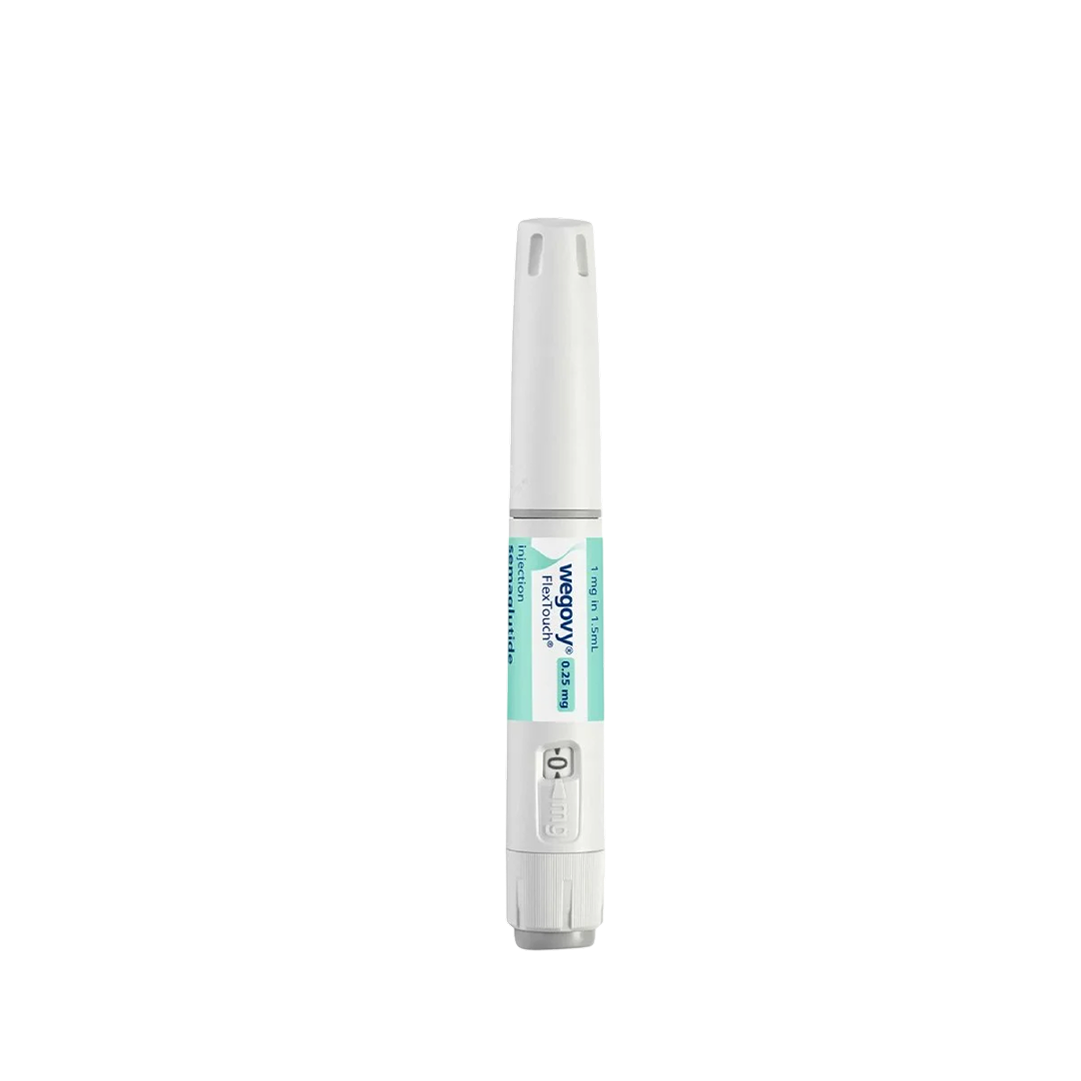
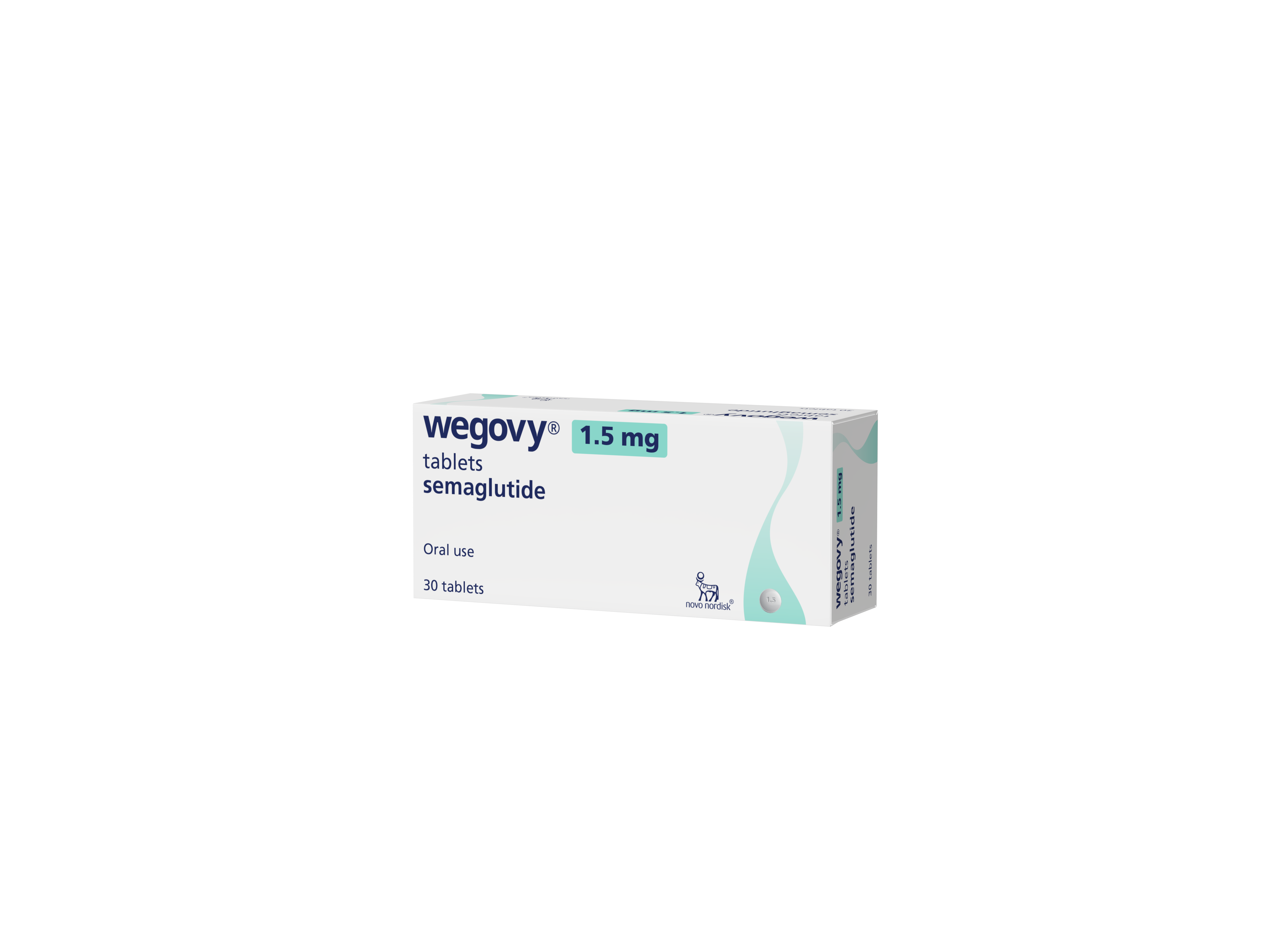
Wegovy® Injection Pen
from £89.99
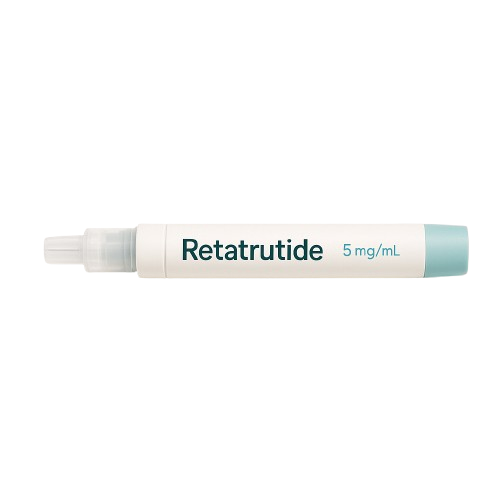
Retatrutide Injection Pen
Coming soon
Discover weight loss products
Access science-backed treatments, proven to work based on research.
Understanding treatment
Weight loss treatment in the UK
≈⅔
of adults in England are overweight or living with obesity
3 in 10
adults are living with obesity
Weekly
a single injection regulates appetite across the week
Source: Health Survey for England 2024, NHS England Digital
Obesity is a recognised medical condition, not a matter of willpower. The latest Health Survey for England found that around two-thirds of adults in England are overweight or living with obesity, with roughly three in ten living with obesity. Carrying excess weight raises the risk of type 2 diabetes, high blood pressure, heart disease and several cancers, so safe, clinically supervised treatment can make a meaningful difference to long-term health.
For many years the medical options were limited. That has changed with a new generation of GLP-1 and dual GIP/GLP-1 medicines. Rather than relying on willpower alone, these treatments work with your body’s own appetite hormones: they help you feel full sooner, stay satisfied for longer and quieten persistent food cravings, which naturally reduces how much you eat. They are prescription-only medicines, licensed by the Medicines and Healthcare products Regulatory Agency (MHRA) and appraised for clinical and cost-effectiveness by the National Institute for Health and Care Excellence (NICE). Crucially, they are designed to be used alongside a reduced-calorie diet and increased physical activity — a tool that makes lasting change more achievable, not a substitute for it.
These medicines also differ from the older weight loss tablets some people may have tried. Treatments such as orlistat work by reducing how much fat the body absorbs from food, which can help but tends to produce more modest results. GLP-1 and dual GIP/GLP-1 medicines instead target the underlying biology of appetite and fullness, which is why they have changed expectations of what medical weight management can achieve. Even so, they are not a quick fix: they work best as part of a sustained, supported plan, and they are most effective for people for whom they are clinically suitable.
The science
How GLP-1 weight loss medicines work
To understand why these treatments are effective, it helps to know what they do inside the body. GLP-1 (glucagon-like peptide-1) is a hormone your gut releases naturally after you eat. Weight loss injections are engineered versions of this hormone, given once weekly, that keep its appetite-regulating signals switched on for far longer than your body would on its own.
◍
Reduce appetite
They quieten the persistent pull towards food many people describe as “food noise”, so portion sizes fall without the sense of deprivation that often derails dieting.
◷
Slow stomach emptying
Food stays in the stomach for longer, helping you feel fuller for longer after meals and reducing how much you eat overall.
◆
Steady blood sugar
They help regulate blood sugar. Mounjaro acts on a second gut hormone (GIP) too, which is linked to larger average weight loss in trials than GLP-1 alone.
The practical effect is a noticeable reduction in appetite and in that constant background pull towards food. With less intrusive hunger and an earlier sense of fullness, portion sizes tend to fall naturally.
Mounjaro takes this a step further. As a dual agonist, it acts on both the GLP-1 and the GIP (glucose-dependent insulinotropic polypeptide) receptors. GIP is another gut hormone involved in how the body handles energy and blood sugar, and acting on both pathways at once is thought to be why dual agonists have produced larger average reductions in body weight in clinical trials than GLP-1 treatments alone.
Because these medicines influence the biological drivers of hunger rather than relying on self-control, they can help break the cycle of restriction and rebound that makes long-term weight loss so difficult. That is also why they are prescribed at a low starting dose that is increased gradually — this titration gives your body time to adjust and helps limit side effects. None of this replaces healthy habits; instead, it makes those habits considerably easier to maintain.
Treatments
The prescription treatments we offer
At Cuva Health, every weight management medicine is supplied only after a confidential online consultation reviewed by our clinical team.
Licensed · NICE TA1026
Mounjaro
Tirzepatide · once-weekly injection
A dual GIP/GLP-1 receptor agonist, acting on two appetite-regulating pathways at once. Licensed in the UK for weight management and recommended by NICE in December 2024. In trials it has produced significant, sustained weight loss alongside lifestyle changes.
Mounjaro treatment page →Licensed · NICE TA875
Wegovy
Semaglutide · weekly injection or daily tablet
A once-weekly GLP-1 injection recommended by NICE since March 2023, now also available as a daily tablet for people who prefer to avoid injections.
Wegovy treatment page →Not yet licensed
Retatrutide
Investigational · in clinical trials
An investigational treatment currently in late-stage clinical trials and not yet licensed in the UK. We are following its development closely and will only offer it once it has received MHRA approval.
Register your interest →At a glance
Comparing your treatment options
Choosing a treatment is a decision you make together with a clinician, based on your medical history, goals and preferences.
| Treatment | Active ingredient | How it works | How it’s taken | UK status |
|---|---|---|---|---|
| Mounjaro | Tirzepatide | Dual GIP/GLP-1 agonist | Once-weekly injection | Licensed |
| Wegovy (injection) | Semaglutide | GLP-1 agonist | Once-weekly injection | Licensed |
| Wegovy (tablet) | Oral semaglutide | GLP-1 agonist | Daily tablet | Licensed |
| Retatrutide | Retatrutide | Triple agonist (investigational) | Injection (in trials) | Coming |
The “best” treatment is the one that is clinically appropriate and realistic for you to stick with. Some people respond better to one medicine than another; some prefer the convenience of a weekly injection, while others would rather take a daily tablet. Cost, tolerability and how each treatment fits your routine all matter, which is why the choice is made on an individual basis rather than from a league table.
Format
Injections or tablets: choosing the right format
Until recently, the most effective weight loss medicines were available only as injections. The arrival of oral semaglutide (the Wegovy tablet) means there is now a needle-free option for some people. Which is better? The honest answer is that it depends on the person.
Weekly injections have the advantage of a simple, once-a-week routine and are the format with the largest body of long-term evidence behind them. Many people find a once-weekly pen easier to fit into their lives than a daily commitment, and the injection itself is given with a fine needle just under the skin, which most users find far more straightforward than they expect.
The daily tablet appeals to people who are uncomfortable with injections or who simply prefer taking a pill. It does, however, come with a stricter routine: oral semaglutide must be taken on an empty stomach with a small sip of water, followed by a waiting period before eating, drinking or taking other medicines. Getting this fasting protocol right matters, because food and drink significantly reduce how well the tablet is absorbed.
There is no single right answer, and the decision can be revisited over time.
Quick guide
- Weekly injection — simplest routine, most evidence, needle-based
- Daily tablet — needle-free, but strict morning fasting protocol
- Both are MHRA-licensed and chosen with a clinician
- The choice can change over time as your needs do
The evidence
What the clinical trials show
These are average results from controlled studies in which medication was combined with diet and physical activity. Individual results vary, and no treatment can guarantee a specific outcome.
up to 22.5%
average body-weight reduction with tirzepatide over 72 weeks, depending on dose, vs about 2% on placebo
14.9%
mean reduction with semaglutide over 68 weeks, with most participants losing at least 5% of body weight
5%
NICE recommends reviewing treatment if less than this is lost after six months on the highest tolerated dose
These figures are considerably greater than those seen with older medical treatments, which is why GLP-1 and dual agonist medicines have reshaped obesity care. The evidence is equally clear that these are treatments for ongoing management, not short courses: trial extensions show a significant proportion of lost weight tends to return after treatment stops, which underlines the importance of a long-term plan.
Wider benefits
Beyond the scales: the wider health benefits
Weight loss treatment is about far more than the number on the scales. Because excess weight is closely linked to a range of serious conditions, losing weight in a sustained, medically supported way can improve several markers of health at the same time.
In clinical studies, these medicines have been associated with improvements in blood pressure, blood sugar control and cholesterol — all important risk factors for heart disease and type 2 diabetes. For people living with conditions that are strongly influenced by weight and insulin resistance, such as polycystic ovary syndrome, the benefits can extend beyond weight alone.
The cardiovascular evidence has grown rapidly. The SELECT trial, for example, found that semaglutide reduced the risk of major cardiovascular events in adults who were overweight or living with obesity and had established cardiovascular disease but not diabetes. While this does not mean these medicines are suitable or recommended for everyone, it reinforces an important point: treating obesity effectively is increasingly understood as protecting long-term health, not simply changing appearance. Your clinician will always weigh the potential benefits against any risks for your individual situation.
Suitability
Who can have weight loss treatment?
Weight loss injections are not suitable for everyone. Under their UK licence, these medicines are intended for adults with a BMI of 30 or above, or a BMI of 27 or above where there is a weight-related health condition such as high blood pressure, raised cholesterol, prediabetes, obstructive sleep apnoea or cardiovascular disease. Lower thresholds may apply for people from South Asian, Chinese, other Asian, Middle Eastern, Black African or African-Caribbean backgrounds.
Eligibility is always confirmed by a clinician. You complete a short, confidential online assessment, our prescribing team reviews your medical history, current medications and overall suitability, and treatment is approved only if it is clinically appropriate. Where it is not, we will say so — this clinical gatekeeping is a legal requirement and an important safeguard, not a formality.
UK licensed criteria
- BMI of 30 or above, or
- BMI of 27 or above with a weight-related condition
- e.g. high blood pressure, prediabetes, sleep apnoea
- Lower thresholds may apply for some ethnic backgrounds
- Adults only · confirmed by a prescriber
Other options
Alternatives to weight loss medication
Medication is not the only route to a healthier weight, and it is not always the right first step.
For some people, structured changes to diet and physical activity — ideally with professional support — can achieve meaningful results without medicines, and these changes remain the foundation of weight management whether or not treatment is used. NHS weight management services, slimming programmes and dietitian-led support all have a role to play.
For people living with severe obesity, or where other approaches have not worked, bariatric (weight loss) surgery may be considered through the NHS or privately. It can be highly effective but is a major procedure with its own risks and lifelong follow-up, and it is reserved for specific clinical circumstances. It is not something we provide, but it is worth being aware of as part of the wider picture.
Medical treatment with GLP-1 medicines sits between lifestyle change alone and surgery: a clinically supervised option for eligible adults who need more than diet and activity can deliver on their own. Whichever path is right for you, sustainable habits matter.
Access
NHS or private? Understanding your options
These medicines are available on the NHS, but access is tightly limited. Following NHS England’s phased rollout of tirzepatide, treatment is being introduced gradually over several years and prioritised for those with the highest BMI and greatest clinical need, usually through specialist weight management services. As a result, many people who meet the licensed criteria are not yet able to obtain treatment through the NHS.
A regulated private pharmacy such as Cuva Health offers a lawful, clinically supervised route for eligible adults who wish to start sooner. The same MHRA-licensed medicines, the same prescriber oversight and the same safety standards apply — the difference is access and convenience, not quality of care. Treatment should never be obtained from unregulated sellers; genuine medicines are supplied only by a registered pharmacy following a proper clinical assessment.
NHS vs private, in short
- NHS — phased rollout, prioritised by need, often via specialist services
- Private — available now for eligible adults, same licensed medicines
- Same safety standards apply to both
- Avoid unregulated sellers entirely
Pricing
How much does weight loss treatment cost?
Because these treatments are largely accessed privately, cost is an understandable concern. Pricing is transparent and depends on the medicine and the dose you are prescribed.
It is worth understanding why the dose — and therefore the price — usually rises over the first few months. Treatment begins at a low introductory dose to help your body adjust, then increases in stages towards a maintenance dose. Many people stabilise on a dose that suits them rather than always climbing to the maximum, so the long-term cost is not necessarily the highest figure on the list. Because prices can change and depend on your prescribed dose, always check the current cost on the relevant treatment page before ordering.
Whatever you pay, it covers a genuine, MHRA-licensed medicine, a clinical review by our prescribing team and discreet delivery — not simply the product itself. We would always caution against treatments offered at prices that seem too good to be true, as these are a common sign of unregulated or falsified medicines.
Getting started
How our online weight loss service works
Starting treatment with Cuva Health is designed to be simple, discreet and clinically thorough. Everything happens online, with the same professional oversight you would expect from a high-street pharmacy.
Online assessment
Complete a free, confidential questionnaire about your health, weight history and medical background.
Clinical review
A clinician reviews your answers and judges whether treatment is appropriate and safe. We never supply a medicine simply because it has been requested.
Prescribed & dispensed
If suitable, your treatment is prescribed and dispensed by our registered pharmacy. If not, we explain why and suggest alternatives.
Delivered & reviewed
Plain, tracked Royal Mail delivery, with regular reviews as your dose is titrated and any side effects managed.
Safety
Possible side effects & how they’re managed
As with any effective medicine, weight loss treatments can cause side effects. The most common are gastrointestinal: nausea, constipation, diarrhoea, indigestion and a feeling of fullness. These tend to be most noticeable when you first start or when your dose is increased, and for most people they ease as the body adjusts.
The gradual dose titration we use is specifically designed to keep these effects manageable. Practical steps can help a great deal — eating smaller, lower-fat meals, staying hydrated, avoiding lying down straight after eating and increasing doses no faster than advised.
More serious side effects are uncommon but possible, which is why ongoing clinical support matters. You should always seek prompt medical advice if you experience severe or persistent abdominal pain, ongoing vomiting, signs of dehydration or any reaction that worries you.
Report a side effect. You can report any suspected side effect from any medicine directly to the MHRA Yellow Card scheme, which helps the regulator monitor medicines and keep them safe for everyone.
Lasting results
Getting the most from your treatment
Medication is only one part of the picture. The most durable results come when treatment is paired with sustainable habits: balanced, protein-rich meals, good hydration, regular movement and quality sleep.
Understanding the full journey before you begin helps — how doses are gradually increased to help your body adjust, what a maintenance dose involves, the side effects you might experience and what can happen if you stop. Progress is rarely linear, and most people see the steadiest results over months rather than weeks. Being informed from the outset helps you set realistic expectations, recognise what is normal and stay on track for the long term — which is exactly the kind of ongoing support our service is built around.
Why Cuva
Safe, regulated care you can trust
Cuva Health is a pharmacy registered with the General Pharmaceutical Council, operating under the supervision of our Superintendent Pharmacist. Every treatment is a genuine, MHRA-licensed medicine, prescribed only after clinical review and dispensed to the same standards you would expect from a high-street pharmacy.
Professionals you can trust
A registered UK pharmacy supervised by a named Superintendent Pharmacist.
Clinically-proven treatments
Only genuine, MHRA-licensed medicines, prescribed after clinical review.
Ongoing care
Regular reviews and support throughout your treatment, not a one-off transaction.
Registered Pharmacy GPhC 9012581Superintendent Pharmacist Irfan Mahmud — GPhC 2080386Discreet delivery by Royal Mail
Answers
Frequently asked questions
How do weight loss injections work?
They mimic a hormone that signals fullness to your brain, limiting cravings, helping you feel fuller for longer and reducing food intake. Eligible patients could lose a significant proportion of their starting body weight when combined with diet and activity.
Are they safe?
When prescribed and supervised appropriately, these are MHRA-licensed medicines with a well-characterised safety profile. Suitability is always confirmed by a clinician first, and any side effect can be reported via the MHRA Yellow Card scheme.
Can anybody get weight loss injections?
No — they’re intended for adults meeting specific BMI criteria, confirmed through a clinical assessment.
What’s the difference between Mounjaro and Wegovy?
Both are weekly injections, but Mounjaro acts on two hormone pathways (GIP and GLP-1) while Wegovy acts on one (GLP-1).
How long will it take to see results?
Progress is gradual. Doses are increased in stages, and most people see the steadiest results over months rather than weeks.
Are there any side effects?
The most common are mild gastrointestinal effects that usually ease over time. Report any suspected side effect via the MHRA Yellow Card scheme.
Sources
- NHS England Digital — Health Survey for England 2024: Adults’ overweight and obesity
- NICE — TA1026: Tirzepatide (Dec 2024) · TA875: Semaglutide (Mar 2023)
- NEJM — SURMOUNT-1 (2022) · STEP-1 (2021)
- NHS England — Interim commissioning guidance: tirzepatide
- MHRA — Yellow Card scheme
Ready to start your weight loss journey?
Complete our free, confidential online assessment to find out whether a weight loss treatment is right for you.
Start free assessment